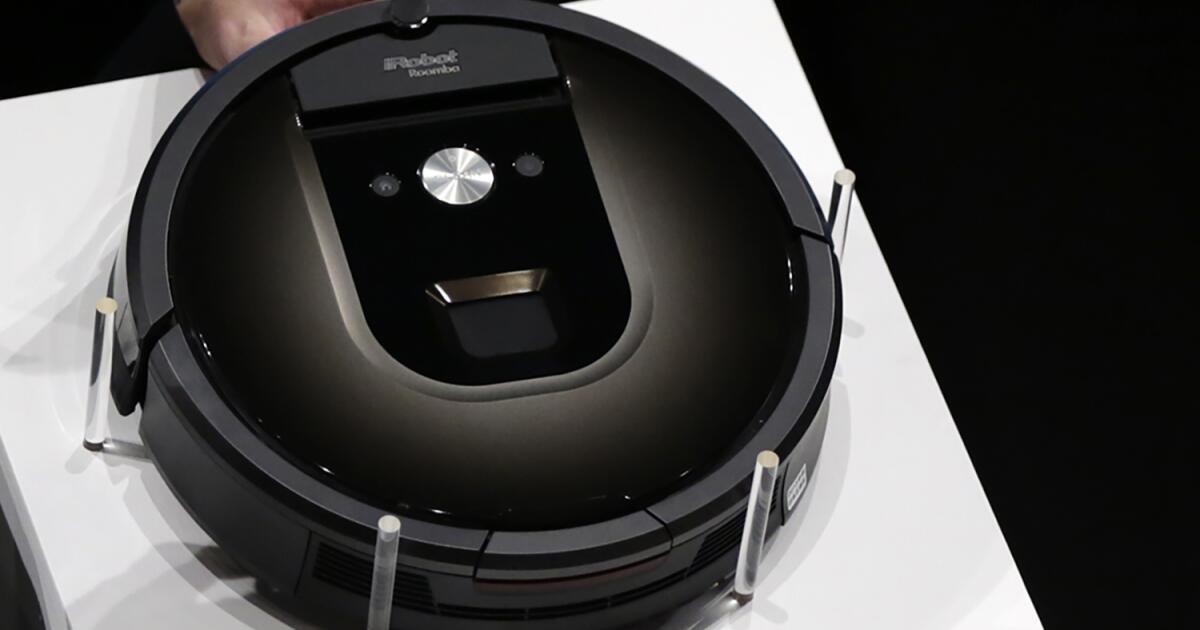
Roomba maker IRobot has filed for bankruptcy and will go private after being acquired by Chinese supplier Picea Robotics.
Founded 35 years ago, the Massachusetts-based company pioneered the development of robotic home vacuum cleaners and has become one of America's most recognizable consumer brands.
Over the years, it has lost ground to Chinese competitors with less expensive products. The company collapsed this year due to President Trump's tariffs. At its peak during the pandemic, IRobot was valued at $3 billion.
Sunday's bankruptcy filing has sparked fear among Roomba users who worry about bricking, which is when the device stops working or becomes useless due to a lack of software updates.
The company tried to allay concerns by saying it would continue to operate without any expected disruptions to applications, client programs or product support.
Most of IRobot's products sold in the US are made in Vietnam, which has been hit with a 46% tariff, eroding the company's profits and competitiveness. The tariffs increased IRobot's costs by $23 million in 2025. according to their court materials.
In 2024, IRobot's revenue was $681 millionwhich is approximately 24% lower than the previous year. The company is in debt hundreds of millions in debt and long-term loans. Upon completion of the court-supervised transaction, IRobot will become a private company owned by contract manufacturer Picea Robotics.
According to the company, today almost 70% of the global market for intelligent vacuum robots is occupied by Chinese brands. IDCled by Roborok and Ecovax.
The sale of a well-known home brand to a Chinese rival drew complaints from entrepreneurs and politicians in Silicon Valley, who called the case a failure of antitrust policy.
Amazon initially planned to acquire IRobot for $1.4 billion, but pulled out of the merger in early 2024 following scrutiny from European regulators, backed by then-FTC Chairwoman Lina Khan. IRobot never recovered from this.
According to Joseph Coniglio, director of antitrust and innovation at the Information Technology and Innovation Foundation think tank, the main concern with the merger was that Amazon might unfairly favor IRobot's products in its marketplace.
Buying IRobot could expand Amazon's portfolio of home devices, including Ring and Alexa, adding to U.S. competition in the robot vacuum cleaner market, he said.
“Blocking this deal was a strategic mistake,” said Dirk Auer, director of competition policy at the International Center for Law and Economics. “The result was an easy win over our Chinese competitors. IRobot was the only significant Western player left in the space. By depriving them of the resources they needed to compete, regulators left American consumers with fewer alternatives to Chinese dominance.”
“While IRobot has become a fringe player recently, Amazon had a special opportunity to turn that around—particularly by integrating IRobot into its successful ecosystem of home devices,” Auer said. “The best way to deal with global competition is to ensure American firms are free to combine, scale and innovate, rather than try to thwart Chinese firms through regulation. We must allow our companies to compete, not limit their ability to find a path forward.”