

Covid is spreading, but prisoners are being told they don't need vaccines.
Last month, I spent nearly five days at Mount Sinai Hospital in Manhattan with a severe case of Covid-19. Because I have a weakened immune system, Covid—or any viral infection that damages tissue—makes me more susceptible to developing bacterial pneumonia. My doctor didn't take any chances.
For the first two days, I lay in a hospital bed so weak that I couldn’t even look at my phone, which was lying next to me. I had a fever every day; each fever required Tylenol, large IVs of fluid to prevent dehydration, and another blood draw to determine if I had an infection. I started taking Paxlovid to reduce the likelihood of more severe Covid.
My appetite dropped to zero. On the third day I felt well enough to drink some broth, which I promptly vomited. Such was the fate of the other food and drink I tried to introduce into my body.
An X-ray and CT scan of my chest showed no signs of pneumonia. I was prescribed Paxlovid and IV fluid bags to prevent dehydration. By the fourth day I had enough strength to sit upright in my chair, look out the window and read a novel. I was able to limit my food intake, although I still had little appetite, and I got most of my nutrients from protein shakes.
As terrible as my experience was, I know I was lucky. Although the city has closed free testing sites and stopped distributing free Covid tests, health workers continue to take Covid seriously. While the Federal Food and Drug Administration limited the latest Covid vaccine Only for people with health conditions that put them at high risk and for people age 65 and older, New York State continues to make vaccines available to everyone.
That's not the case in many states, where governors and health officials have used the FDA's latest restriction to limit vaccinations. This also does not apply to prisons, where viruses can (and do) spread like wildfire. This is exactly what happened at the beginning of the Covid pandemic, as I document in my book: Corridors of infection.
Thousands of people were crammed into prison blocks and dormitories, often without access to masks. Health officials have recommended that jails and prisons release people to avoid outbreaks. Some states have done this. But with hundreds of thousands of people still behind bars and staff coming and going every day, it's not enough to avoid outbreaks and preventable deaths. Although the number of people behind bars has fallen, the prison death rate jumped 77 percent in 2020 compared to 2019, or 3.4 times more than the general population. Not every state distinguishes Covid from other causes of death, but 19 states that have done so have observed that Covid caused almost a third of deaths in prisons. When vaccinations became available, prison staff began to take priority over inmates.
As Covid rates rise and vaccination and mask-wearing rates are virtually non-existent, prisoners are facing another surge in cases. Now they also have to contend with years of hostility toward basic protective measures like wearing masks or trying to socially distance. They continue to face substandard health care, with many health care providers emboldened by FDA restrictions and the federal government's anti-science ideology to justify their refusal to administer vaccines and booster shots or even take Covid symptoms seriously.
Quaneta Harris from Texas is one of the incarcerated women I have interviewed extensively. Corridors. In September, she told me that it was not surprising that women in her home were showing symptoms consistent with the latest strain of Covid. But the medical staff told them they just had a bad summer cold or allergies. No one was tested, and even if they were, it's impossible to say how many people were affected because the Texas prison system stopped tracking Covid tariffs in May 2023. A year earlier, prison rules were changed to prohibit the wearing of masks; the masks were confiscated, and anyone caught with a homemade mask was threatened with a fine that could jeopardize their participation in the program, time out of cell, dates, or the possibility of parole.
People at Oklahoma's largest women's prison are reporting a similar situation. “[Covid] no doubt here, but as far as I know there is no testing or isolation going on,” one woman, who wished to remain anonymous to avoid retaliation, told me. [shots] as far as I know, there is also.” In an email to NationKay Thompson, communications director for the Oklahoma Department of Corrections, wrote that prisons are no longer isolating or quarantining those who test positive. Instead, they are advised to wear a mask for five days. She also wrote that inmates can request vaccines and immunizations from medical staff.
In Texas, Kwaneta repeatedly asked about getting the latest Covid vaccine. Although the state allows adults To get the vaccine or inoculation, the prison nurses gave her conflicting answers. One of them told her that the CDC said it wasn't necessary. Another said they didn't pay “for this robbery.” A third told her she didn't meet the criteria. In mid-October, a nurse told her, “We don't even have anything. I don't think we'll get anything. It's all over.”
When Kwaneta noted that Covid was currently spreading, she said a nurse told her, “It’s not killing anyone.” (The Texas Department of Criminal Justice did not respond to questions about its Covid policies.)
As I discovered when researching CorridorsThis is consistent with the situation when the vaccine first became available to the general public. Kwaneta has had to repeatedly advocate for getting the first shots. When she was finally allowed to do so, several months after they became available, the guards accompanying her to the medical clinic asked why she was doing this, repeating popular misinformation. Although Kwaneta was able to get fully vaccinated, she was the only one in her unit to do so. The fear-mongering by the guards dissuaded other women.
Malacca, who asked that we not disclose his full name to prevent retaliation, told me his Pennsylvania apartment building was offered the latest Covid vaccine. This comes as a relief after most fell ill with Covid-related symptoms last year. He was severely beaten – he spent three days in bed, practically unable to move. Two men had to help him out of bed, transfer him into a wheelchair and walk to the bathroom in the hallway. He was unable to get into the cafeteria, but none of the staff noticed that anything was wrong. It was only when most of the housing unit became sick—and some men asked to be tested—that the staff quarantined their housing. Those who tested positive were not offered Paxlovid or other treatment.
Popular
“swipe left below to view more authors”Swipe →
Even when I was in the hospital at my weakest, I knew how lucky I was compared to the millions of people behind bars. I knew that despite the early devastation of the pandemic and the outrage about it behind bars, preventive measures were short-lived. Prison abolitionist Mariam Kaba has long called prisons “institutions that bring death.” Now the rising prison population (and skyrocketing immigration detention) coupled with the country's lax approach to Covid-19 and healthcare behind bars makes her characterization (once again) a frighteningly accurate prophecy.
More from Nation

If the administration can censor Indiana Daily Student— one of the most prominent student publications in the country — then student journalism everywhere would be at risk.

A case that proposes expanding access to guns for drug users is not an opportunity, but a trap.
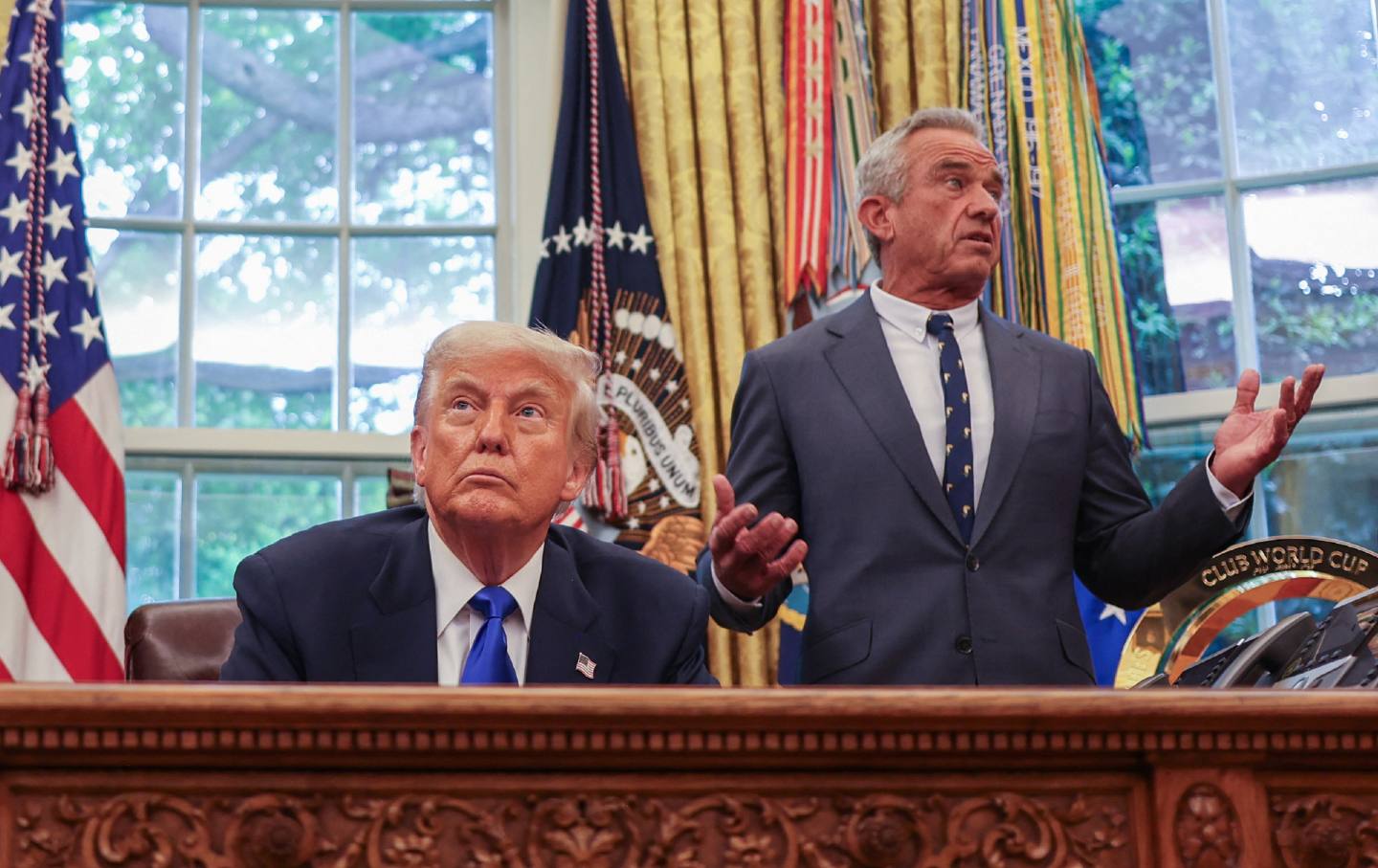
In the era of Trump and RFK Jr., isn't it time to focus on the social structure in which corporations and institutions make decisions that deeply affect people's health?
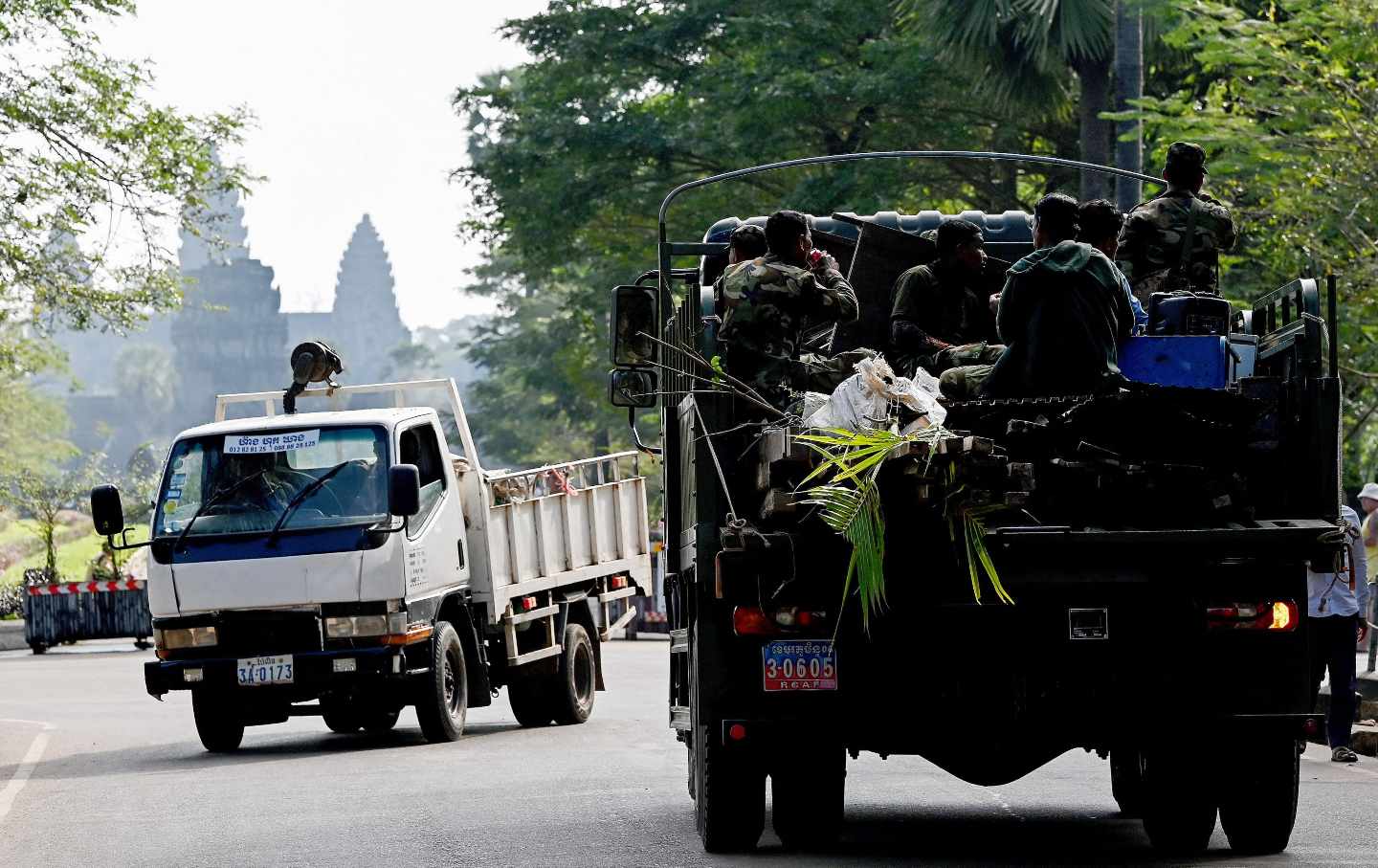
The conflict on the Thai-Cambodian border is just one of many underreported stories in the country as Trump's funding cuts leave citizens and journalists struggling.
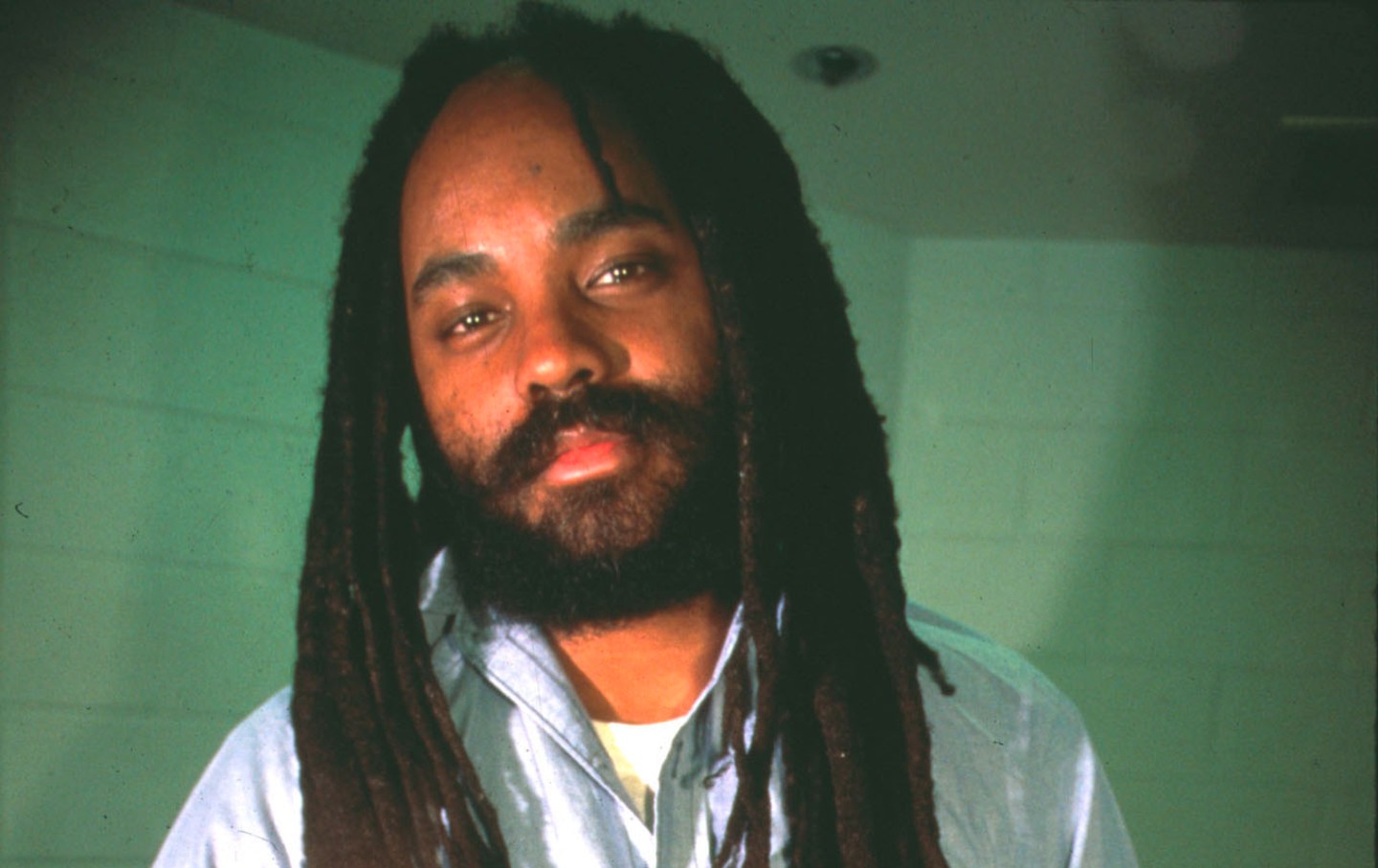
After 44 years in prison, the political prisoner remains steadfast in the face of medical neglect.
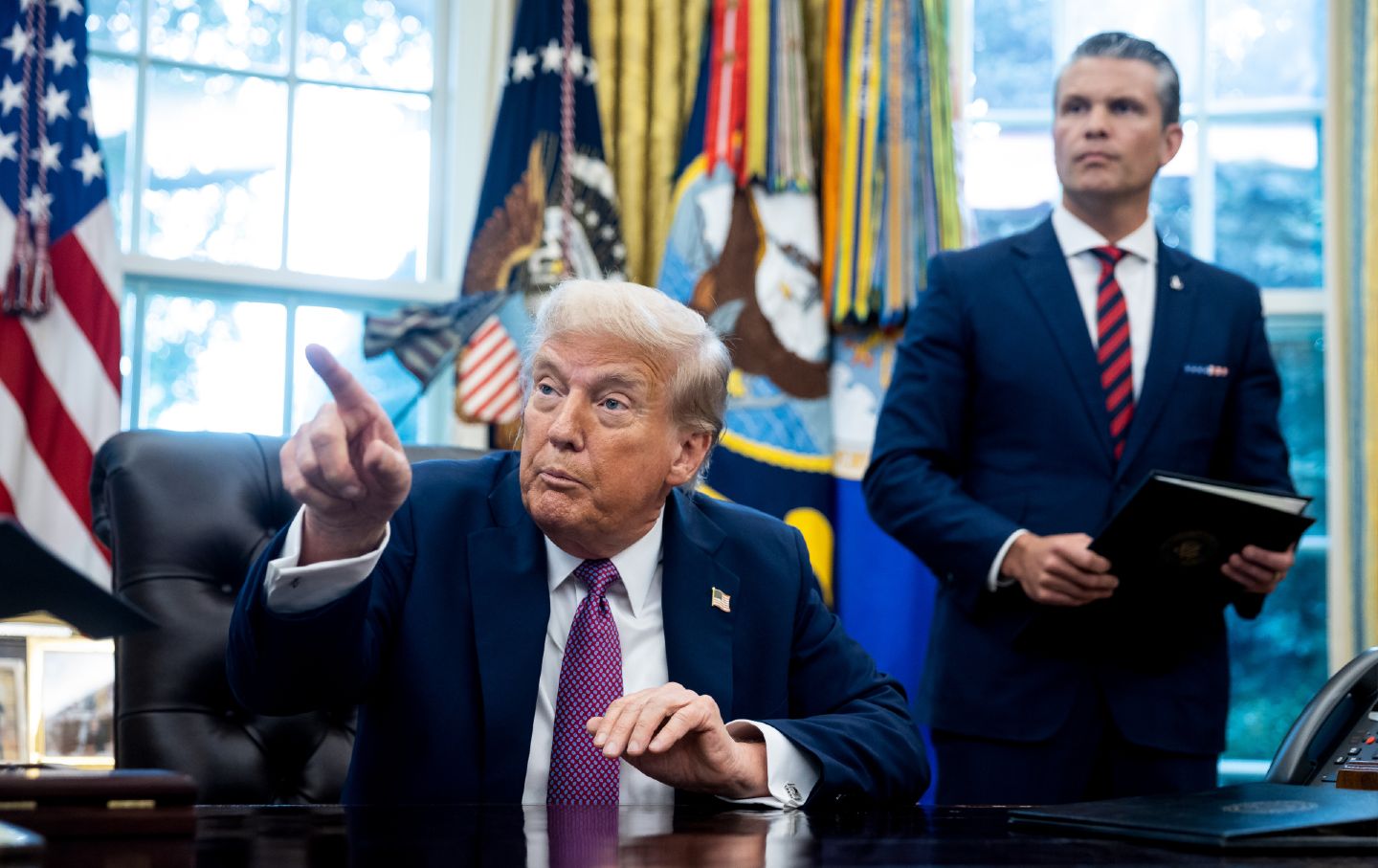
The President's actions continue to push this country ever closer to becoming a true police state.



