

Photo-Illustration: Vulture; Photos: Netflix, Ian Edwards, Matt Misisco, Kate Elliott, Disney, HBO,
Many of the year’s best comedy specials share a reflective sense of mid-career reconsideration. The most striking of these is from Kumail Nanjiani, whose special Night Thoughts allows him to reassess his career and relationship with comedy after more than a decade away from regular stand-up. For other comedians, the retrospective meditation is about grappling with existential dread rather than Nanjiani’s focus on the trap of his external public persona. Mike Birbiglia’s The Good Life, Marc Maron’s Panicked, Cameron Esposito’s Four Pills, and Bill Burr’s Drop Dead Years are all hours in which the comedians openly wrestle with conceiving of their own mortality and think about how to keep making comedy when they’re so conscious of their own fear and frailty.
Atsuko Okatsuka’s Father and Earthquake’s Joke Telling Business are also reflections on their comedic identities, but they operate without the same wistful existentialism; both of them are artists insistently articulating the accomplishment and talent that goes into their craft. Meanwhile, Steph Tolev’s Filth Queen and Jordan Jensen’s Take Me With You are a matched pair of specials on human debasement, namely sex and poop, with one a joyful celebration and the other a grim self-excoriation. Amid them all, Ian Edwards’s confidently unflappable work stands out as the least self-conscious about the meaning of life, but Edwards’s is every bit as thoughtful and well-crafted. And even Edwards’s special has a section about death near the end — it’s a metaphysically fraught time in comedy. Here are the best specials of 2025.

Photo: Netflix
No other comedy special this year accomplishes quite the same mixture of emotion that Jordan Jensen’s does. It is so closely written, so thoroughly and carefully conceived as a window into Jensen’s whole persona, and on the level of individual jokes, it’s often gloriously fun. It is also an enormous bummer. Jensen’s appeal is in how transparent she can make the glass while peering into her own brain, and there’s no question that what’s going on in there is darker than most other comedian’s work right now, up to and including Bill Burr’s lengthy thoughts on death. Jensen knows this, and she owns it. She’s so wry about the damage of her childhood that even her descriptions of what a “normal” childhood look like bounce back around to revealing how different hers was. “Normal parents,” she says, tell children how to take care of themselves: “Here’s water … bread.” She lowers her chin and bugs out her eyes sometimes so that she looks like Renfield or Igor, scuttling around in the dim light of a villain’s lair. She says it explicitly. “If I went to a doctor and said, ‘Doctor, make me look how I feel … the monster that would exit that facility …’” she says, before segueing into incomprehensible creature sounds. That self-loathing makes Jensen’s work hard to sit with, but Take Me With You is also a masterful way to capture everything happening in her mind.

Photo: Chuck Marcus/Netflix
Catchphrases are a high-wire act. They deliberately swim upstream against the current fashion for naturalism in stand-up sets, and as a result, they can feel dated or over-obvious. But the catchphrase in Earthquake’s Joke Telling Business is really canny. As he talks about his family, Black fatherhood, marriage, and immigration politics, he keeps inserting the same pivot line between each section. “These ain’t jokes,” he says, after a bit about hearing that his son’s college had an active shooter on campus. He molds them into jokes, of course — the shooter’s in the library, and Earthquake knows his son isn’t in there — but his perpetual assurance that they’re not is so deftly double-edged. His material is as political and topical and opinionated as any comedian doing self-serious confessional stuff with very few punchlines, but it’s easy to dismiss someone like Earthquake because his punchline-heavy, deliberately mannered style doesn’t look like our current flavor of truth-telling in comedy. The catchphrase is also a goad. He keeps insisting they’re not jokes … and then every time the crowd laughs, he’s won.

Photo: Ian Edwards via YouTube
Ian Edwards reinvents no comedy wheels in Untitled. This is a YouTube special shot at the Comedy Store, where a guy stands next to a stool and tells jokes about relationships, hotel check-in times, and gender-reveal parties. It’s a little beguiling in that way, because there’s no obvious outward signal that Edwards is about to make all of that familiar-seeming material feel weird and surprising. He’s a sharp writer who finds ways out of standard setups that stick in the mind. Turning down an offer to sleep with two women is not just deciding not to cheat on his wife, it’s refusing “an amazing breakup severance package.” A section about air travel, one of the most overrepresented topics in stand-up comedy, somehow discovers a novel take on airline up-charging: Travelers without luggage should be charged more because they’re definitely not terrorists, Edwards says. “Who’s blowing up their own clothes?” But his real gift is his steady and measured delivery, which never tilts into overt deadpan. There’s no pandering, and the whole hour is even more charming for how businesslike it all feels. Edwards is a professional. He takes this seriously. He will make you snort, even in a hoary joke about green-bubble Android phone racism.
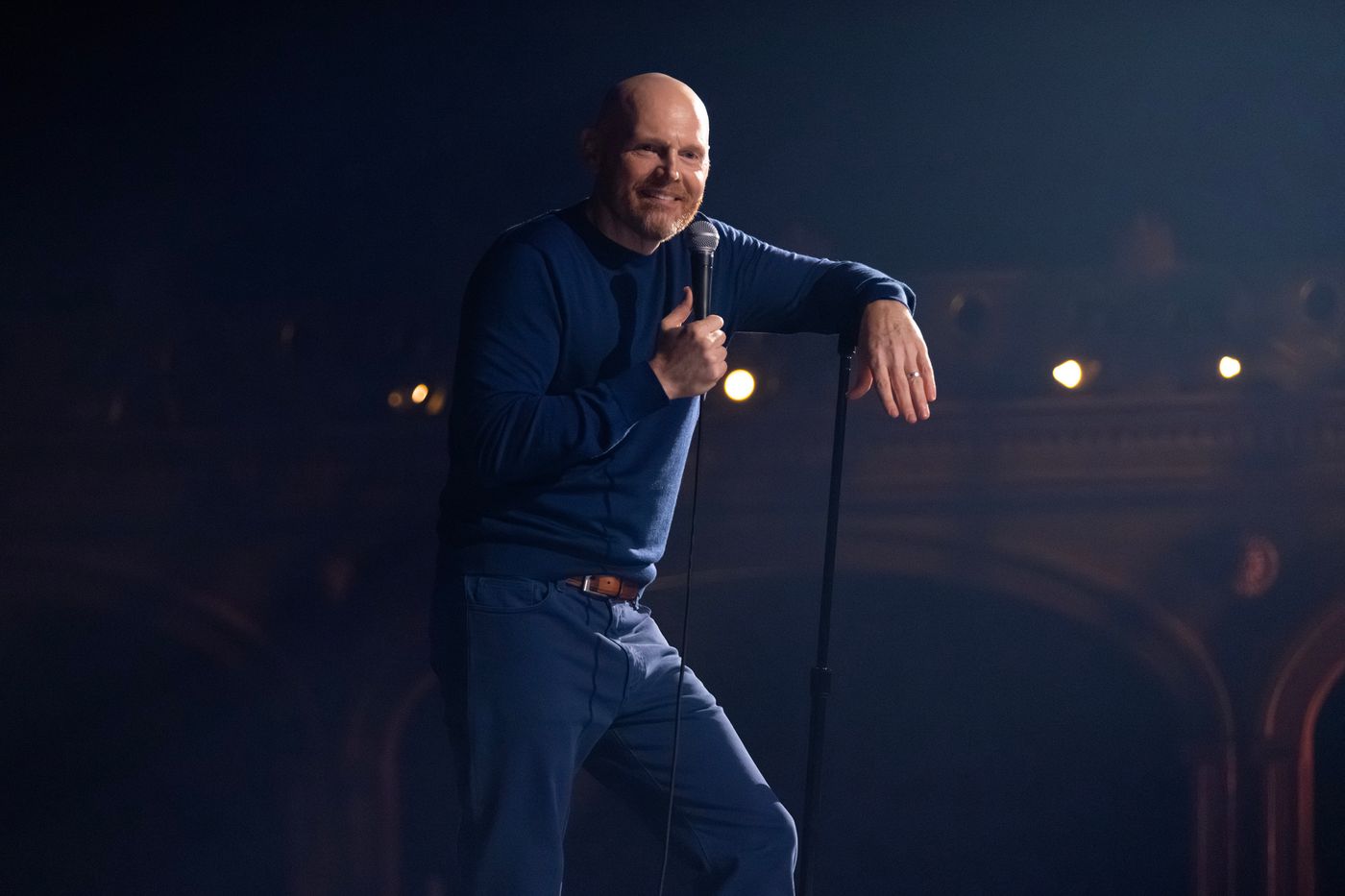
Photo: Koury Angelo/Disney
Is there anything better — sharper, more ticklish, more thrilling — than Bill Burr doing comedy about how he’s slowly realizing that he and everyone else will eventually die? After years of perfecting a comedic persona that buries an almost tender love of humanity under a miles-thick crust of outrage, he has spent the past decade on a slow arc toward baffled enlightenment, and it has been one of the most fraught journeys to follow in comedy. Burr is still Burr. He cannot help but start Drop Dead Years with a volley of third-rail vocab, lobbing lines about trans people and feminism, just so everyone knows he’s Still Got It. With each new Burr special of the last few years, this pattern repeats, with a wall of defensive posturing and then a twist into near-tender self-examination. Even more than the last two specials, Drop Dead Years is so sweetly poignant and considered on topics like parenthood, mortality, and searching for artistic meaning in his life that it would take little work to repackage the whole thing as a one-man show at a black-box theater. Ahem, not that Burr ever would. He’s a hard-joke comic. Sure, he might be on Broadway doing theater now and then, but try to forget that when he’s doing stand-up. He’s just telling jokes. He’s not interested in your artsy nonsense. Unless …
➼ Read Jesse David Fox’s interview with Burr.
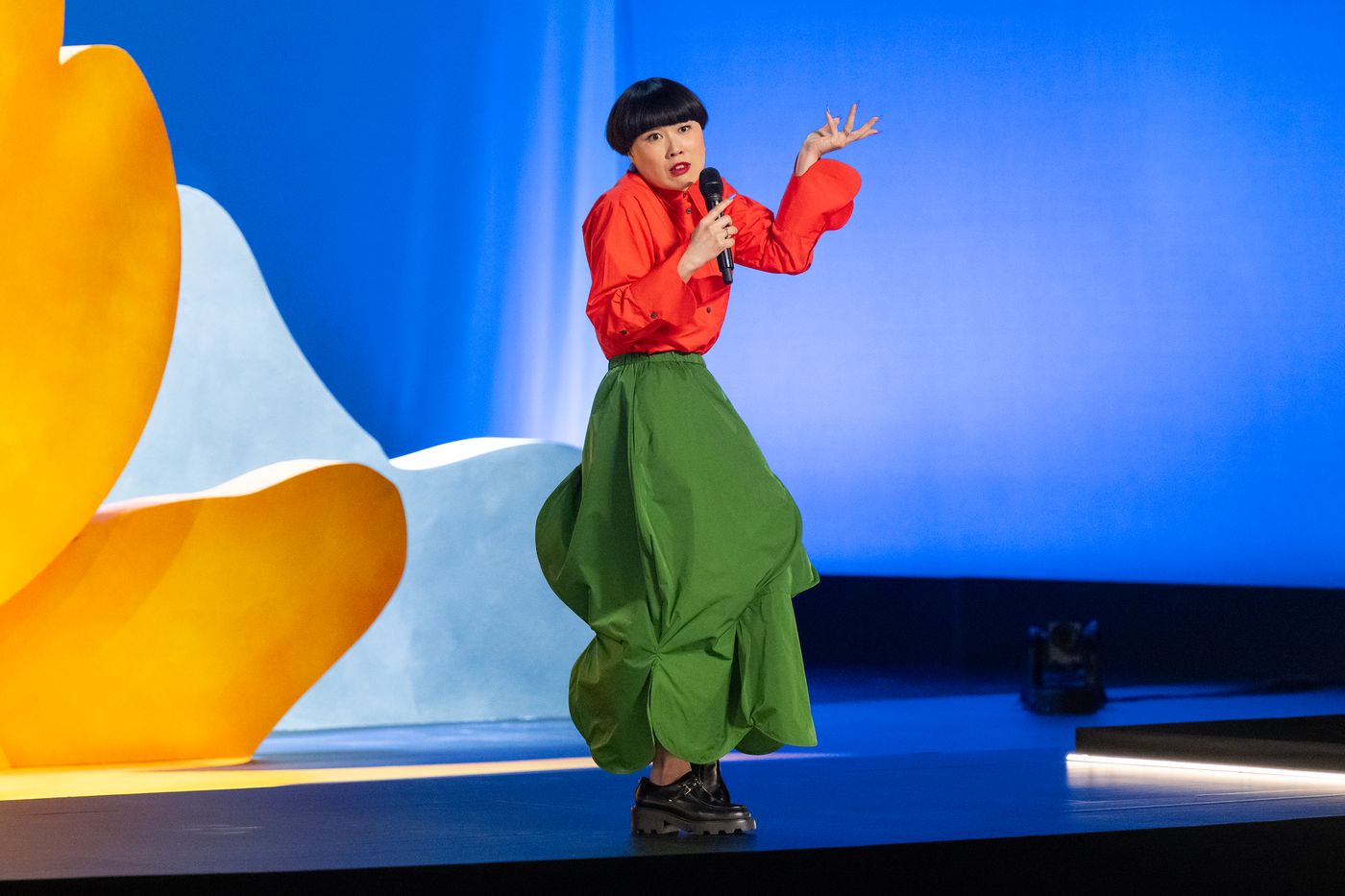
Photo: Temma Hankin/Disney
The simple, remarkably capacious premise of Atsuko’s Okatsuka’s special is that, actually, she’s the father in her marriage. “I asked my husband how to turn on the washing machine, and that’s how he realized that he had been doing the laundry all these years,” Okatsuka says. It takes some introductory unpacking to get that idea, which gives Okatsuka room to pull in anecdotes from her marriage, childhood, and how she thinks about her own job as a comedian. But once she lands on that one big idea, its power as a framing device becomes instantly clear. It allows her to cover all the topics comedians love to rely on as relatable material for audiences, things like parenthood and gender roles in a marriage and the relationship you have with your parents. But Okatsuka’s conceit also offers a way to access all those things without feeling trite or obvious, because they’re presented with enough self-reflection and distance that the anecdotes can be funny while connecting to the deeper laugh of realizing this is who she is, this is how she thinks. “I’m baby” is not enough of a thesis to feel satisfying. “I’m baby, which makes me father, which makes us all think about the expectations of fathers and mothers, and also isn’t it beautiful to be baby, and that’s why I’m never having a baby” — that’s a special worth watching.
➼ Watch Jesse David Fox’s Good One interview with Okatsuka.
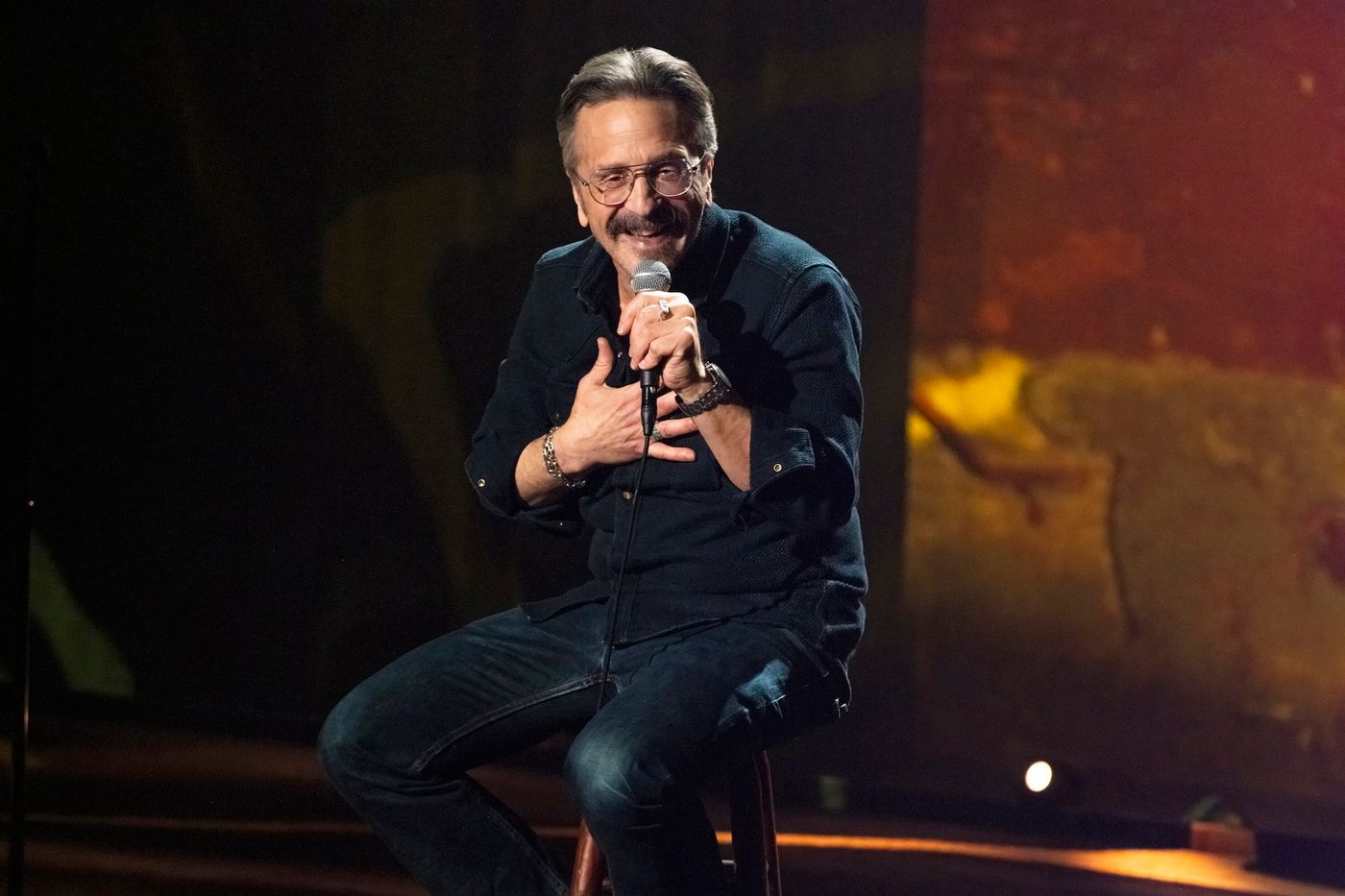
Photo: Karolina Wojtasik/HBO
It’s not exactly Marc Maron’s fault that he has become such a great comedian for this moment in history. At another time, a perpetually anxious comedian who can’t keep from ranting about his paranoid worries about the end of the world probably would not feel like such a helpful guide to life. But without being too focused on anti-Trump material or easy political frustrations, Maron’s new special speaks to a national mood better than anyone else this year. “‘You just have to be a decent person and live your life with purpose and meaning,’” Maron remembers a friend telling him as a strategy for coping with the current political reality. “And I’m like, Ah fuck. What gives my life meaning? I guess … errands?” This is one of Maron’s superpowers. He registers enormity without losing the nitpicky human reality. His closing joke, which includes a Taylor Swift song that feels pleasantly incongruous with the rest of Maron’s persona, builds to a surprisingly hopeful ending while still being a joke about Maron’s acceptance of death. And even in a special with an actual Taylor Swift song, the best cameos in Maron’s comedy are his cats. Nothing adds depth to an irascible curmudgeon quite like an irrational love of pets that do not love you back. It’s a very Maron approach to life, which is so often cruel and unfathomable, and yet he cannot stop himself from appreciating it.
➼ Read Kathryn VanArendonk’s full review of Panicked and watch Jesse David Fox’s Good One interview with Maron.

Photo: Dropout via YouTube
Calling Four Pills a special about the pandemic is unfair. Cameron Esposito’s new hour is about marriage, divorce, despair, egg retrievals, mental health, and what it’s like to discover things about yourself after the age of 40. It’s especially an hour about Esposito’s bipolar diagnosis, and she performs that discovery by playing with how the audience encounters what will later become clear are manic episodes. At first, it’s a fantastic opening joke about the time Esposito had surgery on her butthole, and then she resets into what feels like it’ll be a straightforward “What I’ve been up to” kind of hour. But as she gradually builds her way toward a dangerously manic period, the special swerves into blips from another version of her set, one in which there’s no audience present to make clear that this is all meant to be a joke. Or is it? And when isn’t it, and why? The comparison to pandemic specials is useful, though. In the best cases, post-COVID specials have often been spiraling acts of existential reassessment, daring and intense and probing. Like that genre, Four Pills is an exploration of what happens when you cannot do stand-up, which makes its existence feel all the more precious.
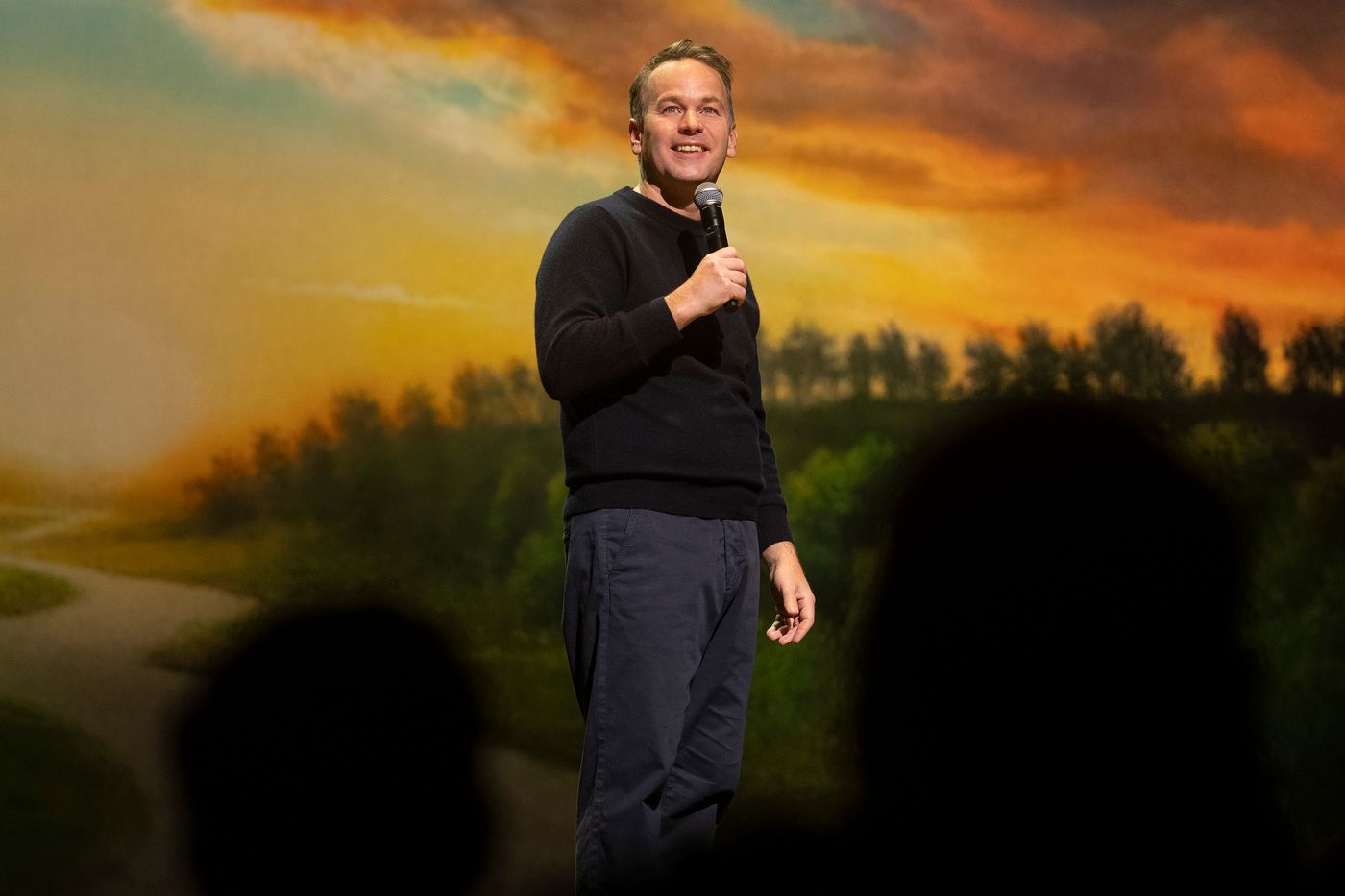
Photo: Clifton Prescod/Netflix
Given Mike Birbiglia’s track record, it’s not exactly a surprise to turn on a new hour and discover a painstakingly crafted meditation on the meaning of life. But it’s still a magic trick every time it happens, and by embracing a more casual mundanity in a lot of its storytelling, The Good Life sneaks its way into the top tier of Birbiglia’s work. It is not pegged to any one enormous event or life-changing discovery — it’s dad comedy with comfortable strolls through trampoline-warehouse birthday parties and puberty and how to have fights with your wife. But after a few specials that explicitly reached for transcendence, The Good Life succeeds precisely because it’s happy to bury its intensity a little, to forgo some of the big formal playfulness and relax into being a guy on a stage talking about his life. He tells proud jokes about his daughter, who shrugs off passersby saying that they love her dad’s comedy: “It’s a waste of my time,” she says. He includes a newsy joke about going to Rome to meet the pope, which rests heavily on performing an absurd, overexaggerated Italian accent and some self-mockery about how he was obviously a late invite to the pope’s comedy summit. It’s still Birbiglia; this thing’s got plenty of structure. But it has been deliberately made a little softer around the edges. His stories have more sway and squish to them. It’s a good fit for where he is now: comfortable, happy, and trying very hard to be good with being comfortable and happy.
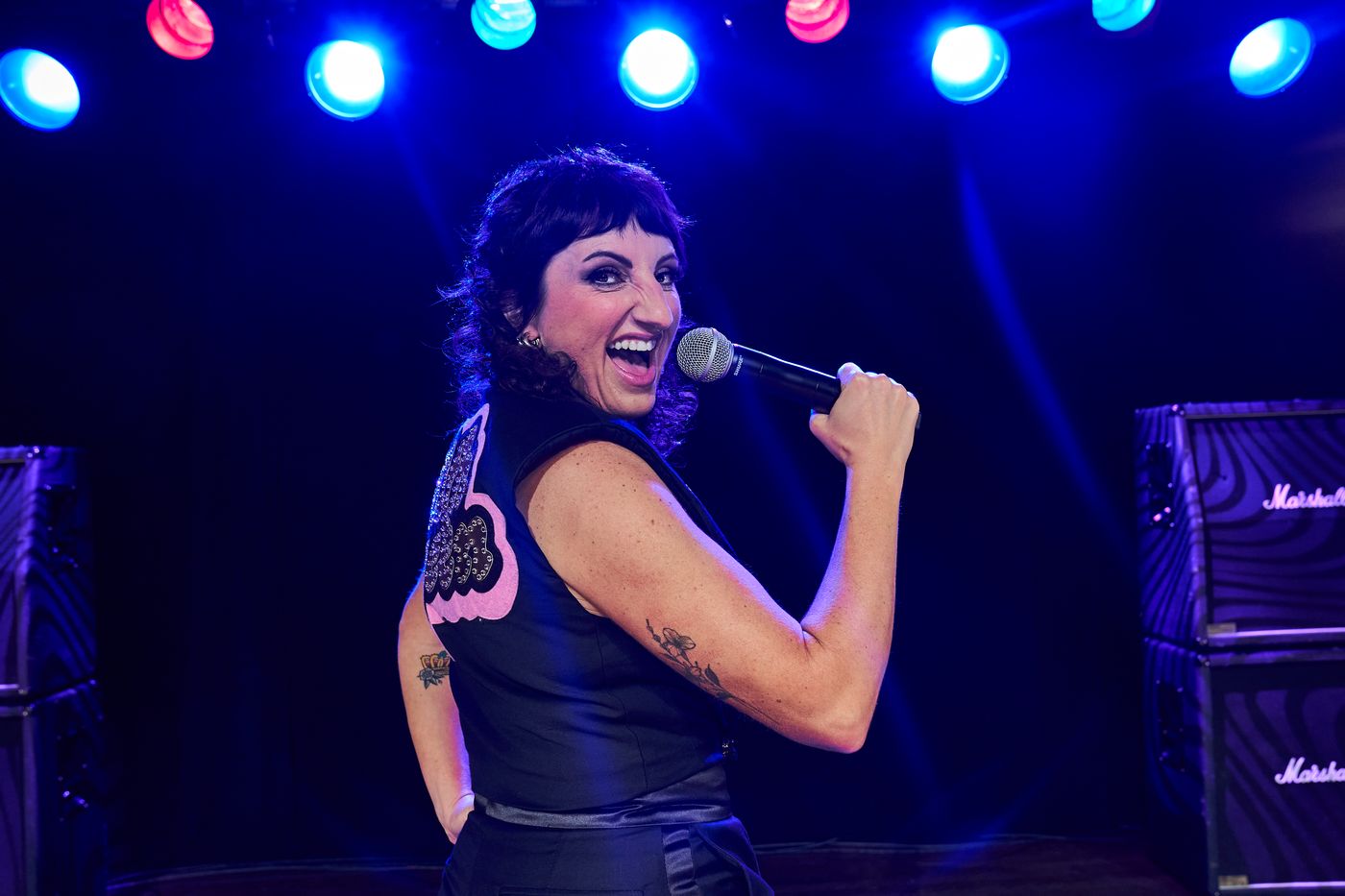
Photo: Matt Misisco
Filth Queen does exactly what it says on the tin: It is proudly and thoroughly gross. Steph Tolev catalogues the many horrible qualities of the human body with the care and consideration of an obsessive collector. Each fart is treasured for its own unique qualities, each shit placed on a comedic pedestal to admire and enjoy. “I feel the rumble, and it’s bad,” Tolev says. She’s having sex, has realized she needs to fart, and decides to let “just a little tiny whisper out.” It is, predictably, a disaster. “I blew ass. Bad. His balls were flapping around.” Tolev is messing around with a particularly subversive form of gender play, of course — she loves to toggle in and out of a cutesy-girl “Oop!” before diving back down deep into her voice’s lower registers, becoming a squelchy muck monster that lurks in men’s nightmares, clogging their toilets before immediately stripping naked and straddling them. The entire hour is a fascinating, glorious middle finger to various forms of bodily shame, and with Tolev stomping around the stage in huge black combat boots and a pleather jumpsuit, female too-muchness gets a new standard-bearer.

Photo: Elizabeth Sisson/Disney
In the over ten years since Kumail Nanjiani was last actively doing stand-up, he’s successfully transitioned into an entirely different career. He’s a bulked-out actor now, with roles in everything from a Marvel movie to Only Murders in the Building to Oh, Mary! He could probably have rolled up to an hour-long stand-up special taping, delivered a half-hearted life update, and walked away mostly unscathed. Instead, Night Thoughts slices deep into his last decade, carefully excavating how fame and the public eye have changed how he sees himself. One of his longest jokes toward the end of the special is about a terrible press cycle he recently experienced, and the disorienting, dissociative oddness of watching one podcast appearance blow up into widespread derision. “Bad Reviews Land Nanjiani Into Therapy,” he quotes the headlines saying. When the crowd begins hooting in response, Nanjiani winces. “Not great that so many people know exactly what movie I’m talking about.” But most miraculously, he does the thing almost no celebrity understands how to actually pull off: He makes his frustrations feel grounded, sympathetic, human, even familiar. He knows he is fortunate, and he’s very grateful for it, he says. “However, that does not mean bad shit doesn’t happen to me. I have disappointments. I have fears.” He lets it slip almost too far into pity, even though his point is sincere; gratitude and good fortune do not need to negate sympathy. But he’s too good to not pull it back. His eyes quirk up to the back of the theater, as he keeps listing the challenges in his life. “My baby cat gets sick … Sometimes my abs get stuck in my belt.” Throughout, Nanjiani pulls off an astonishing balancing act. He fully excavates his frustrations and allows himself to revel in at least a little pettiness without ever undermining his own earnest desire to be seen and understood.
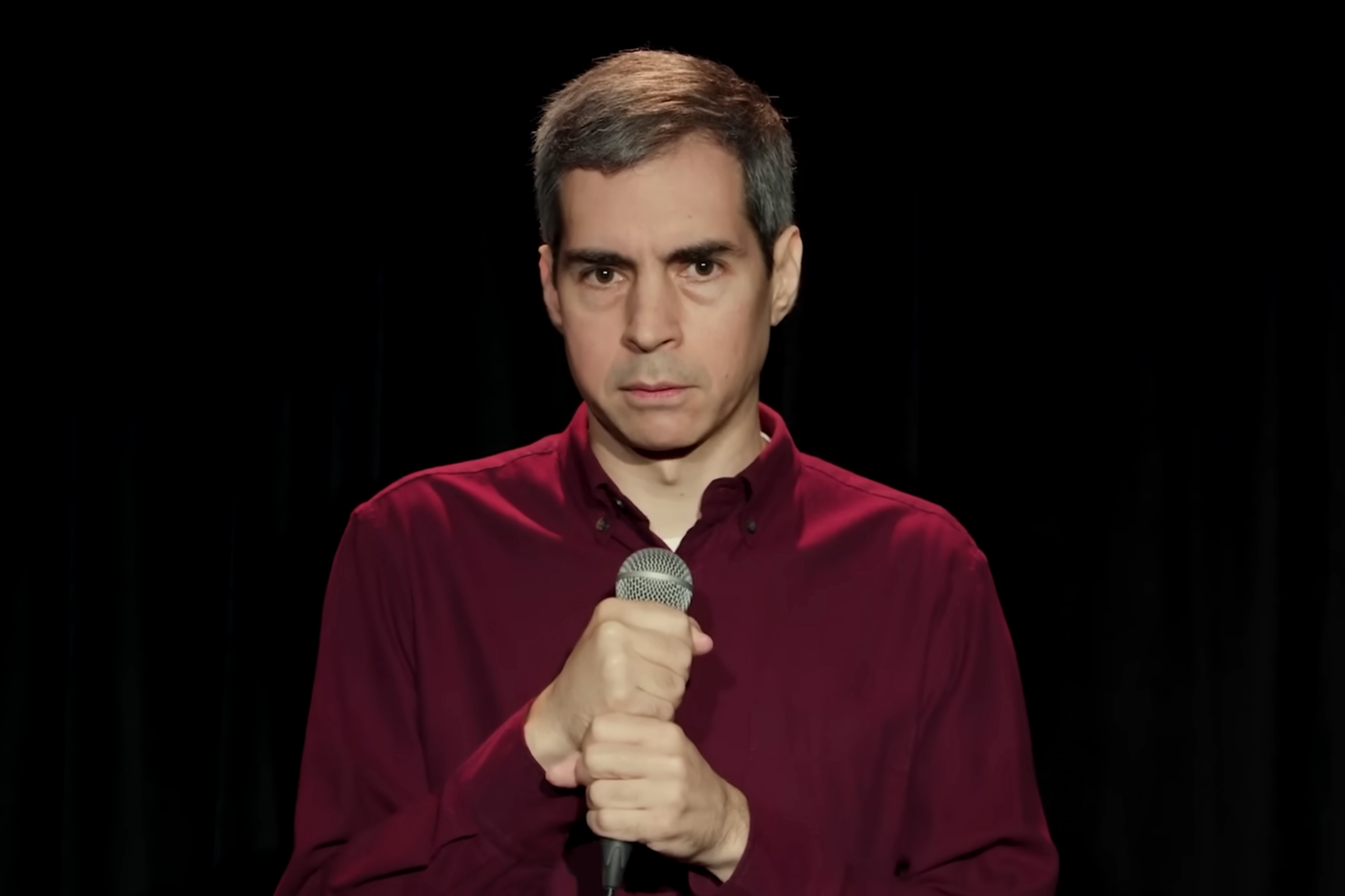
Photo: BrentWeinbach via YouTube
For every new cohort of clubby punch-line comedians and truth-telling trauma explorers, somewhere a weirdo rises. In this case, it’s Weinbach doing a bizarre smattering of impressions with no coherent design except that they’re all odd mash-ups and off-center angles, regularly designed as setups with little payoff, strung together by Weinbach’s near-affectless deadpan delivery. Experiencing Popular Culture is like sitting down with an anachronistic piece of comedic technology — Weinbach is basically a broken radio perpetually dialing in and out of random transmissions from the recent cultural past. Sometimes, the radio gets stuck on one channel too long, as in a section when Weinbach cannot stop singing Michael Jackson songs with lyrics adjusted to reflect Jackson’s alleged crimes. Even then, though, the total experience is so disorienting that its mere existence is half the pleasure. Sure, why not an impression of a guy who responds to requests from a waiter with only weird facial expressions? Or an extended performance of someone seriously pitching new, clear nonbinary pronouns, and the suggested word is heirm? Weinbach’s not going for breadth; this is an exercise in getting away with as much as possible while explaining absolutely nothing.
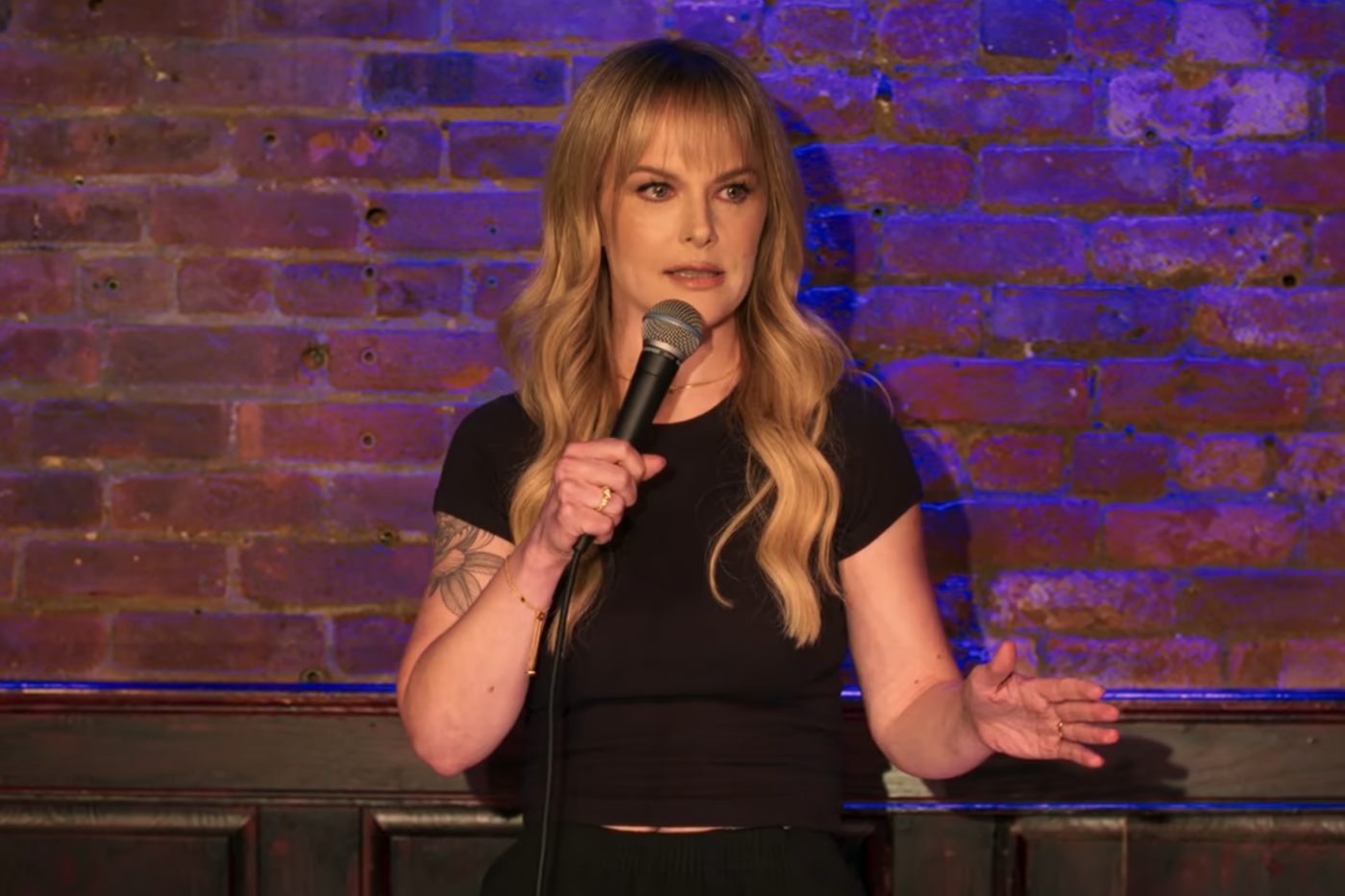
Photo: Netflix
There’s a version of Rosebud Baker’s special The Mother Lode that leans much further into its premise and takes more victory laps about the cuteness of its central idea. That version would’ve been a worse special! Baker’s approach to the slowly developing genre of a maternity and early-motherhood comedy special is that some of it was filmed during her pregnancy and some was filmed several months after she gave birth; the special freely cuts back and forth between the two performances. A soppier edit could’ve made the whole thing more obvious and more pleased with itself by pausing between the cuts, emphasizing the pregnancy more, using music or camera-angle cues to really make hay out of the idea. Instead, The Mother Lode offers the relatively radical argument that it’s just Baker, the same person, before and after. Sometimes, she talks about her hopes that her daughter is “a huge cunt,” and sometimes, it’s about the obnoxious pressure to breastfeed, but her perspective has not done a 180-degree turn. Of course, there has been some transformation, but it’s subtler and harder to characterize than you may assume. Baker remains the anchor, and amid the examples of maternity specials about physical devastation and total personality shifts, it’s an astonishing relief.
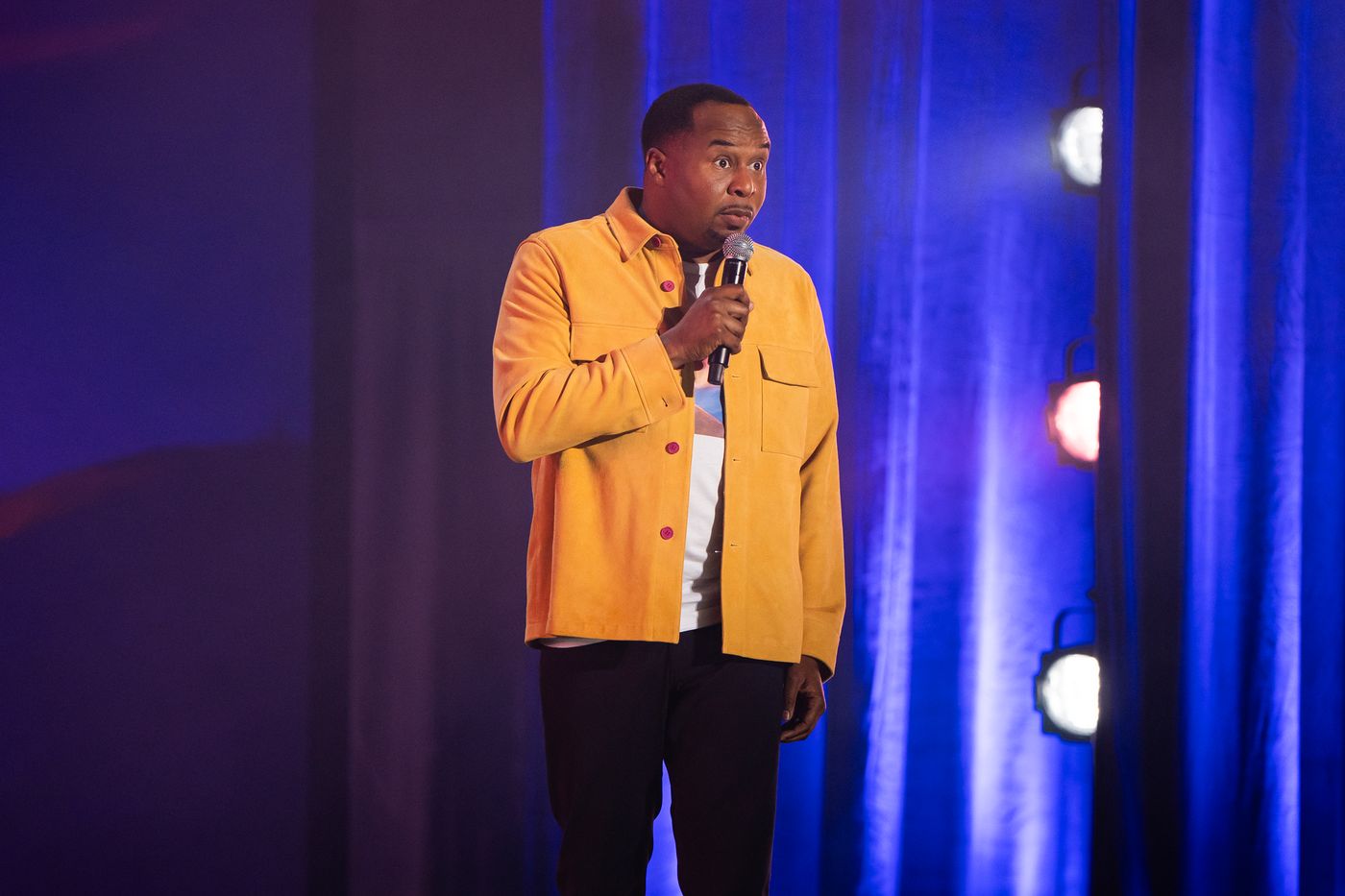
Photo: Jim McCambridge/Disney
Although Roy Wood Jr. builds and shapes his main idea throughout this hour, the standout is the closer, a truly fantastic story about taking a girlfriend and her son to see a children’s-theater bubble show. That joke is the culmination of everything Wood wants the special to say — it is an experience of awe and astonishment, but all that is prelude to Wood’s epiphany about emotional intimacy in a romantic relationship, his desire for an intensely meaningful connection with someone, a relationship that goes beyond convenience, pleasure, and comfort. The entire hour plays with variations on interpersonal connection, sometimes in brief interactions between strangers, sometimes about parenting and childhood, and sometimes seen through Wood’s experience of fame, but the bubble-man story is Wood at his most personal and captivating.



