

You've undoubtedly heard about the recent massive jump in RAM prices. RAM for consumer devices such as desktops, laptops, graphics cards and smartphones (DDR, GDDR and LPDDR memory) has seen a surge in recent weeks. Prices are 50-100 percent higher than in summer. some premium 32GB DDR5 kits on Amazon it will cost as much as $400!
The problem, as is often the case, lies with AI. The massive desire to build more data centers using artificial intelligence at any cost has already led to an increase in demand for water And electricityand previously absorbed much of the supply chain for the chips we use in consumer devices. RAM seems to be the final culprit—AI data centers use most of their DDR memory stock, but the GPUs they use often use a different type of RAM called HBM—high-bandwidth memory. Manufacturers have begun shifting some production to meet demand, making DDR memory used in consumer devices even more scarce.
It got so bad that Samsung reportedly can't even sell Samsung RAM.
The situation has led to rising prices for desktop PCs and laptops, video cards and many other consumer devices. But Apple products were not affected – at least not yet. But will rising RAM prices ultimately make our iPhones and Macs more expensive? The situation is complicated.
Apple supply contracts
At the very least, Apple is a large and popular monolithic consumer goods manufacturer with a closed supply chain. Apple doesn't buy RAM monthly; it enters into large, long-term contracts for the supply of spare parts in extremely large volumes. So for Apple, RAM probably hasn't gotten more expensive yet because they fixed prices months or even years ago for huge long-term supplies.
What we don't know is when Apple will enter into supply contracts or how long this RAM price hike will last. City Report published on X Last year, it was revealed that Samsung, SK Hynix and Micron supplied DRAM for the iPhone 17, but it's unclear whether Apple negotiates contracts ahead of each phone's release or whether they are the same for Mac chips. Since the common memory chips in Apple processors are soldered to the chip, no disassembly is required to identify the brand or model of RAM.
The iPad Pro M5 starts with 12GB of RAM for the same price as the M4 with 8GB of RAM.
Apple
However, there is always the possibility that Apple's prices will rise to cover threat additional costs. When airlines raise ticket prices due to rising oil prices, it is usually an artificial increase. Large airlines buy fuel under long-term contracts and hedge prices by fixing tariffs long before they spike. Airlines raise prices because they can, and we've seen many other industries use inflation and tariffs as cover to raise prices by much more than their actual cost increases. Also, prices rarely go down once costs have stabilized, but that's another issue.
In other words, even if Apple doesn't pay more for RAM right now, it may have to do so in the near future, and prices could rise as a result. Apple prices may be stable for now, but who knows what will happen in the next couple of months?
Apple's big profits
Historically, rising RAM prices have impacted products where RAM makes up a huge portion of the overall cost. On a low-cost smartphone, where RAM might make up 10 or 15 percent of the overall spec, doubling the cost of RAM can completely destroy the small margin it's being sold at.
The typical cost of Apple RAM is estimated at about 4 percent of the BOM cost, and Apple's margins are high—in the 20–30 percent range for most products and higher for high-end Macs. Apple also charges many for extra RAM on a Mac – you'll pay $200 more for 8GB, which is essentially $20 of RAM. Even if Apple's RAM cost doubles, it will still have some spare capacity.
A report from Counterpoint in December it was reported that Apple was “in a better position to weather the next few quarters” compared to its competitors precisely because of this fact. Senior analyst Yang Wang wrote that “others who don't have as much room to maneuver will find it difficult to manage market share and profits. As the year progresses, we will see how this situation particularly impacts Chinese OEMs.”
Of course, Apple cares very much about its profits and never wants less profit from each sale. But it can certainly withstand several months or even a year of a big DRAM price hike without losing money, even at current prices.
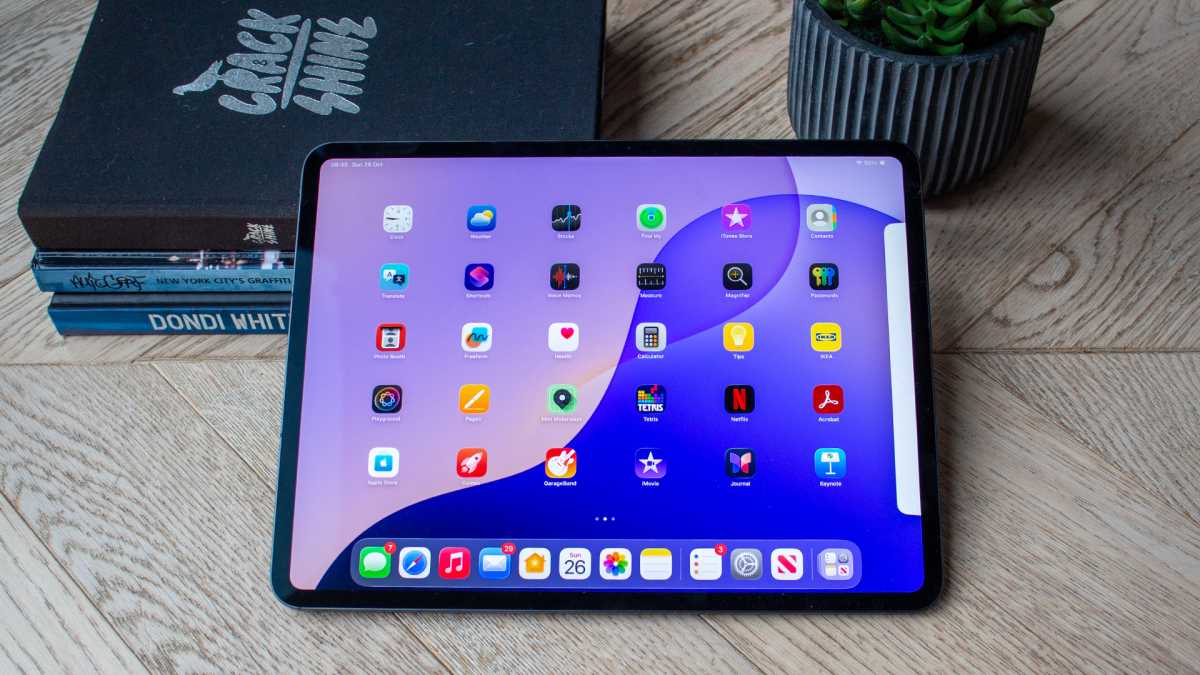
The iPad Pro M5 starts with 12GB of RAM, but also has a four-digit price tag.
Britta O'Boyle
Stable Apple prices
The full retail price of an Apple product rarely changes. This has been known to happen, especially in certain regions where large fluctuations in the exchange rate and/or taxes that must be included in the price require adjustment. Overall, however, Apple's prices are incredibly stable.
When a company raises prices, it does so with the release of a new product. For example, Apple likely won't raise the price of the iPhone 17 mid-cycle due to rising component costs, but rather will simply raise the price of the iPhone 18 when it's introduced to offset the extra costs. However, one notable exception was March 2002, when raised the price of its new iMac G4 just two months after its launch due to “significant increases in component costs for memory and flat panel LCD displays.” Of course, Apple was a completely different company back then.
Apple just released a number of its higher-end products at the end of 2025: the iPhone 17 line (including the inflated price). iPhone Air), M5 MacBook ProAnd M5 iPad Pro. The next big product line will be the more expensive M5 MacBook Pro (which has some stock), the M5 MacBook Air, and maybe some really budget products like inexpensive MacBook And iPhone 17e.
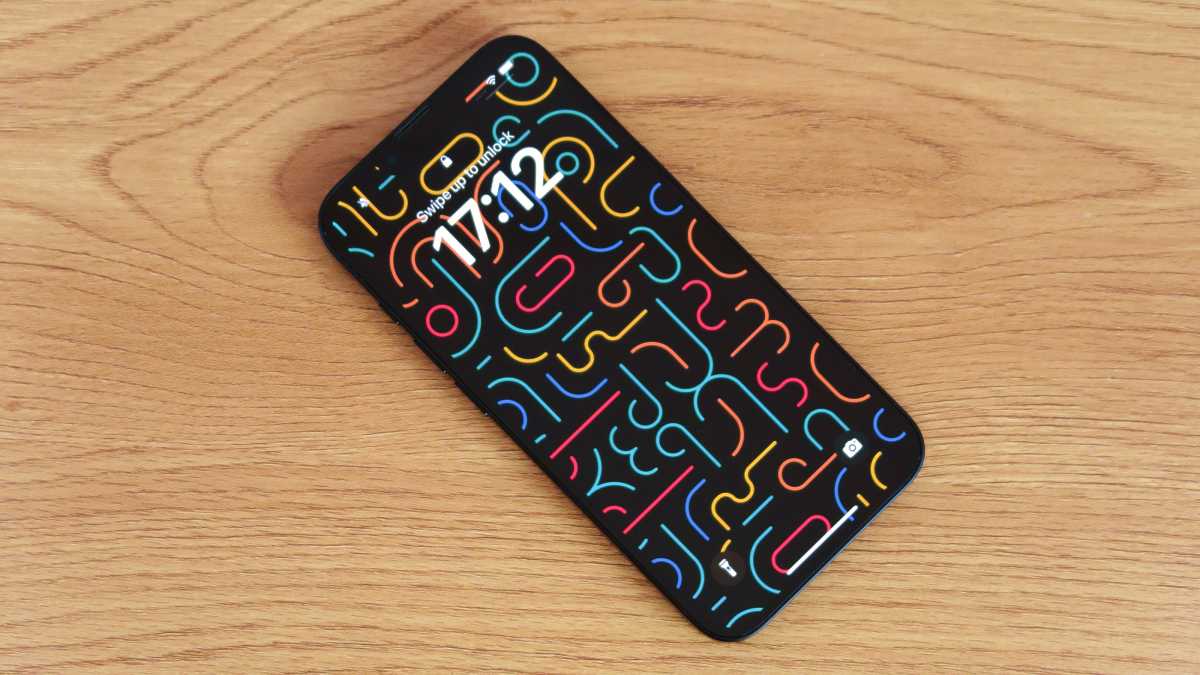
The iPhone 17e is where Apple can recoup its rising memory costs.
Foundry | Alex Walker-Todd
In other words, the following Apple products are a mixture of high-end, high-margin Macs and value products that by definition have to fit well with the rest of the product line. I would be surprised if we see higher starting prices for these products due to the current RAM situation. In fact, Apple actually cut the price of the MacBook Air in 2025 when the M4 model arrived, so it's possible that it could recoup some of the costs by bringing it back to 2024 prices.
No one really knows what Apple will do with prices, and anyone who says otherwise is as trustworthy as the magic eight. But our educated guess is that Apple won't adjust its prices due to RAM shortages in the short term. If this supply crunch continues through the year into the fall of 2026, there's a very good chance we'll see higher prices on specific SKUs to offset Apple's increased costs and preserve its overall profits.


.png?width=1200&height=630&fit=crop&enable=upscale&auto=webp&w=150&resize=150,150&ssl=1 "Larian is using generative AI, confirms CEO, but Divinity won’t contain anything AI-generated")


