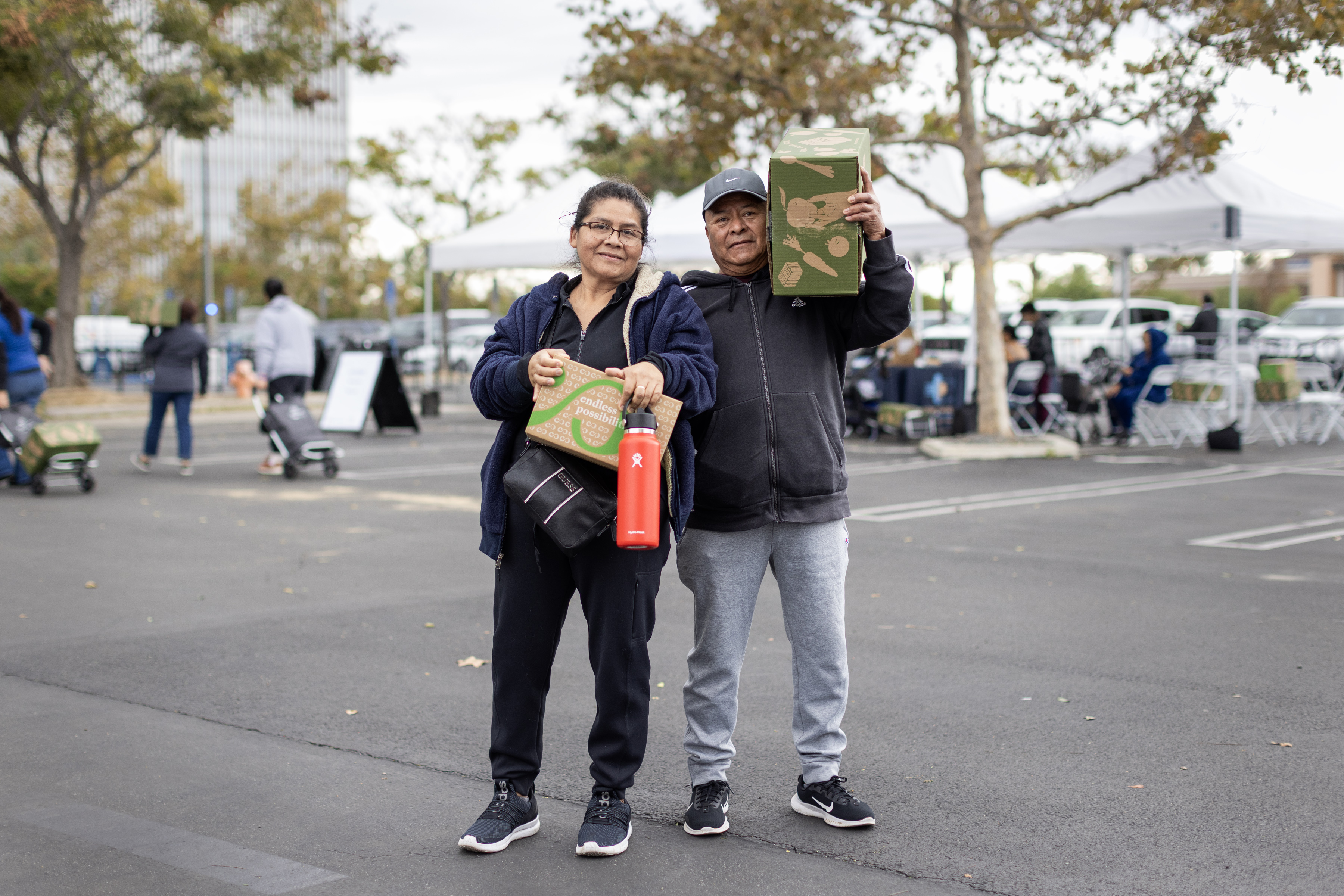
ORANGE, California. On a recent morning, Carmen Basu, dressed in a red jacket and wool scarf, stood in front of the local health plan's headquarters after picking up a free meal. She brought her husband, teenage son and 79-year-old mother-in-law with her to help her.
They took canned goods, fruits and vegetables, and a gift card with them to the supermarket. Then Basu saw a row of tables in the parking lot manned by social service workers helping people apply for food assistance and health insurance. She was told that her mother-in-law, who also receives medical assistance, may be eligible for food assistance.
“I would have to save less money,” said Basu, who has been the sole breadwinner in her Anaheim home since her husband suffered a stroke. “Maybe I can use this extra money to cover other expenses.”
Basu was one of more than 3,000 people who attended a CalOptima event in November in one of California's wealthiest counties. The day marked the start of the insurance company's $20 million Medicaid campaign. The goal is to help low-income residents access and maintain health insurance and food benefits as federal restrictions set in a budget bill pushed by President Donald Trump called the One Big Beautiful Bill Act begin to take effect.
The law reduces more than $900.000 million in federally funded Medicaid, known as Medi-Cal in California. It also eliminates about $187 billion from the Supplemental Nutrition Assistance Program (SNAP), known in California as CalFresh. This represents about 20% of the program's budget for the next 10 years. As a result, up to 3.4 million Medi-Cal beneficiaries and nearly 400,000 people using CalFresh could lose these benefits. (Most CalFresh recipients They also have Medi-Cal).
Republican officials say the changes — some of which are already in effect — will help prevent fraud and waste through stricter eligibility checks and new work requirements.
However, Medicaid health plans across the country are stepping up their advocacy efforts to avoid losing members, many of whom already face high food and health care costs.
In Los Angeles County, health plan LA Care held public meetings in December to inform people about changes to Medi-Cal. AlohaCare Reopens in Hawaii alliance created during the Covid pandemic to mitigate the impact of loss of insurance coverage. And in Philadelphia, Community Behavioral Health, a Medicaid mental health plan, is planning a series of events throughout 2026 to spread the word about the changes.
“We know these changes will impact many of our members,” said Michael Hann, CEO of CalOptima, one of nearly two dozen Medi-Cal health plans that receive monthly payments based on enrollment. “We have a huge responsibility to make sure they understand these changes and can adapt to them as they happen.”
CalOptima, a public organization whose board is appointed by the county Board of Supervisors, has committed about $2 million through 2028 to fund eligible workers to help with community events such as food distribution. According to An Tran, director of the Orange County Human Services Agency, the funds will allow for important outreach efforts that the county otherwise would not be able to afford.
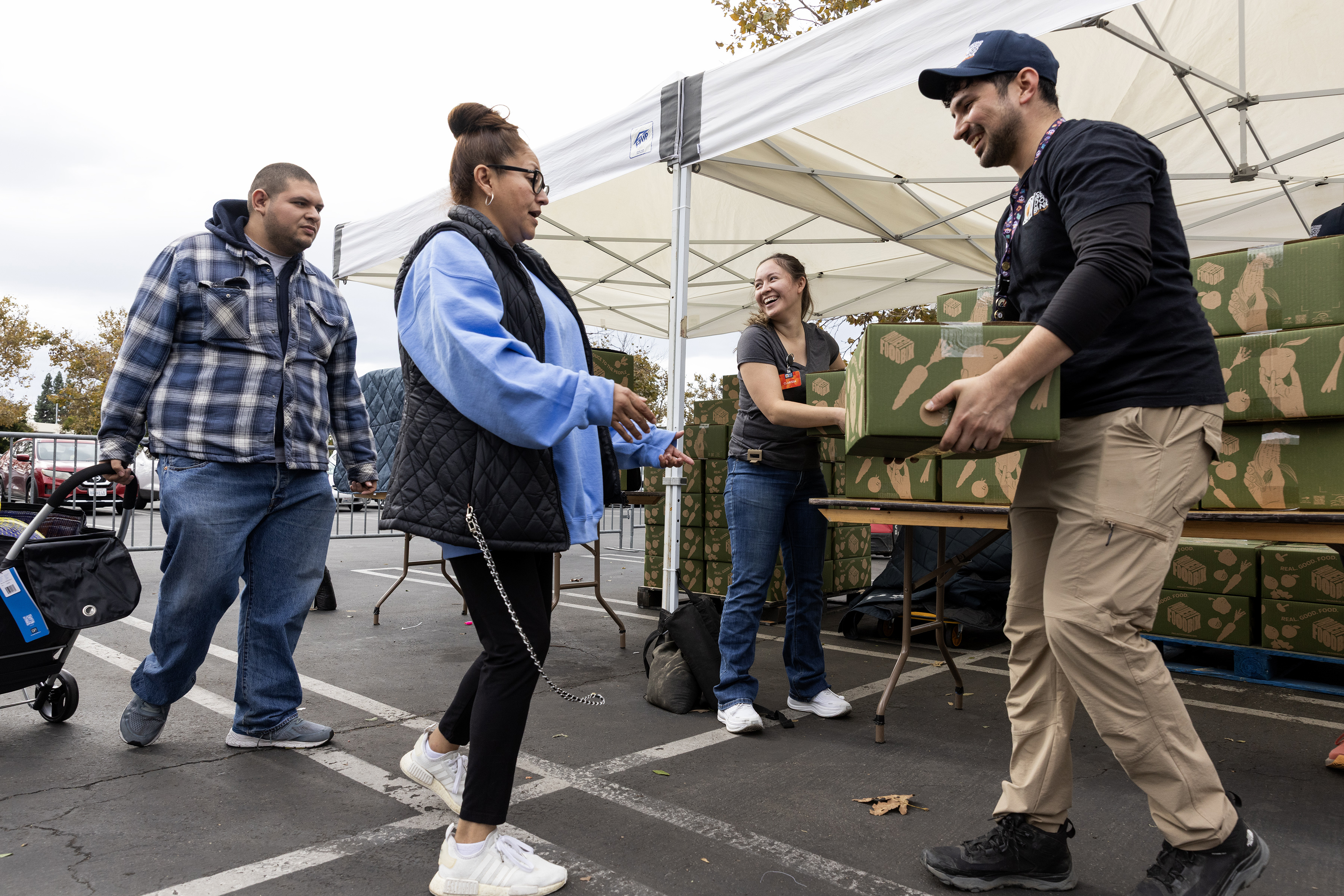
Orange County has approximately 1,500 employees responsible for processing reenrollment and background checks for approximately 850,000 Medi-Cal beneficiaries and more than 300,000 CalFresh enrollees.
“We're talking about families who urgently need help, especially at a time when food prices and inflation are so high that they're struggling to make ends meet,” Tran said.
In addition to funding county workers, CalOptima also plans to provide grants to community organizations to conduct Medi-Cal outreach efforts. It will also develop a public information campaign in multiple languages to inform members about the new requirements, Hann explained.
U.S. Rep. Young Kim, a Republican who represents part of Orange County, did not respond to a request for comment but said the budget bill signed by Trump, which she voted for, “takes important steps to ensure that federal funds are used in the most effective way and to strengthen Medicaid and SNAP for our most vulnerable citizens who truly need them.” She and other Republicans said the legislation would provide tax breaks to working Americans.
After speaking with an eligibility worker for nearly an hour, Basu learned that she earned too much for her mother-in-law, who lives with her family, to qualify for CalFresh benefits. Now, he said, he's concerned about changes to Medi-Cal requirements for immigrants. She fears that these changes could affect her mother-in-law, who received a legal residence permit about a year and a half ago.
“Before this, we paid cash for the cardiologist, for the lab tests, for everything. It was very expensive,” Basu said. “I think in a few months I will have to pay everything out of pocket again. This is a lot for me. It's a burden.”
In most of the country, people who have had a green card for less than five years usually don't rate it for Medicaid, which is funded by the federal government. However, California has offered publicly funded Medi-Cal insurance to both those people and low-income immigrants without legal status.

But even these benefits are being reduced under pressure from the state budget. In July, the state will eliminate full dental coverage for some members who have had a green card for less than five years and for certain immigrant groups. A year later, the same group will begin paying monthly dues.
And starting in January, California will freeze Medi-Cal enrollment for people over 19 without legal immigration status, as well as for some immigrants who are in the country legally. It would also restore the asset limit for all members of legal age.
Meanwhile, the state is preparing guidance for counties on how to implement federal changes to Medicaid eligibility requirements, said Tony Cava, a spokesman for the California Department of Public Health. Beginning in early 2027, federal employment rules and biannual eligibility checks should apply, especially for those enrolled under the Affordable Care Act (ACA) coverage expansion.
The California Department of Human Services, which administers the CalFresh program, has already changed how household utility costs are calculated and set benefit limits for very large households. In addition, it is still developing guidance on federal work requirements and changes that exclude some noncitizens, Deputy Director David Swanson Hollinger said during a recent hearing.
The Department of Health has created a web page called What Medi-Cal members need to know about changes to the Medicaid program at the state and federal level. You also use your network “lighting ambassadors Medi-Cal to share information and updates in communities across the state in multiple languages. And it's partnering with counties, and Medi-Cal plans to support community enrollment, including at local events, Cava explained.
Aquilino and Fidelia Salazar, a couple who received help applying for CalFresh, said they did not expect to be affected by work requirements or changes to Medi-Cal eligibility because they are both permanent U.S. residents with chronic health conditions and unable to work. Individuals determined to be unable to work for physical or mental reasons may be exempt from work requirements. But the couple expressed concern about other immigrants in their community who may lose access to health care.
“It’s unfair because there are a lot of people who really need it,” Fidelia Salazar said in Spanish. “They earn so little, and medicine and going to the doctor are very expensive.”