

Neon dominated the Golden Globes in its favorite category, and it’s threatening to own the Academy race, too.
Photo-Illustration: Vulture; Photos: Neon/Everett Collection
When Neon shelled out for what felt like half the Cannes competition lineup back in May, I chuckled along with everyone else. Surely that was way too much effort just to keep the company’s Palme d’Or streak alive. However, what the indie studio recognized is that what happens in Cannes doesn’t stay in Cannes, but continues to echo for the rest of the movie year. That bet paid off big at Monday’s Golden Globe nominations, where Neon led the field with 21 total nods. Twenty of those came from just five movies — three of which it acquired in that Cannes spending spree. All of them are foreign-language contenders, which has put the distributor on the edge of an unprecedented feat: There is a very real possibility that Neon could completely own the Oscars’ Best International Film category, getting all five of them nominated. (That very thing happened at the Globes, except it wasn’t a sweep because there were six spots.) As far as anyone can tell, a single studio has controlled a five-nominee category like this only once before in Oscar history: in 1975, when all five Costume Design nominees were Paramount pictures.
The funny thing is, this feat, which would have seemed incredibly ambitious at the start of the season, isn’t even the biggest dream Neon is chasing. After dominating the Globes, it’s fair to wonder: Could the company get three of these films into Oscar’s Best Picture lineup? What about four? Okay, that’s probably a stretch, but three has happened before — most recently in 2017, when Lionsgate had Hacksaw Ridge, Hell or High Water, and La La Land. Miramax did it in 2003, when there were only five nominees. (Netflix could also get three in this year, if Frankenstein, Jay Kelly, and Train Dreams all score.)
What are the odds Neon pulls off either of these accomplishments? Let’s run down the company’s slate, in rough order of strongest to weakest, to see.
Logline: In Iran, a former political prisoner stumbles upon, then kidnaps, the man he believes tortured him in jail. But is it really him?
Accolades: A Palme d’Or win at Cannes, three wins at the Gotham Awards, Best Director from the New York Film Critics Circle, Best International Film from the National Board of Review, Best Screenplay from the Los Angeles Film Critics Association, four Golden Globe nominations.
Where else it could compete: Picture, Director, Original Screenplay.

Photo: NEON
The groundswell for Jafar Panahi’s film just keeps growing, to the point where the tastemakers have stopped giving it foreign-film prizes because they’ve got bigger trophies in store. Clearly, there’s something about Panahi’s exploration of the moral dilemmas of life under an authoritarian government that’s resonating with Stateside viewers. The director’s own story adds further dissident appeal: He was just sentenced to a year in prison by the Islamic Revolutionary Court. (Which explains why Accident was submitted by France, rather than Iran.) Together, these timely factors have made Panahi’s movie the one to beat for the International Film trophy, and it should show up elsewhere above the line as well.
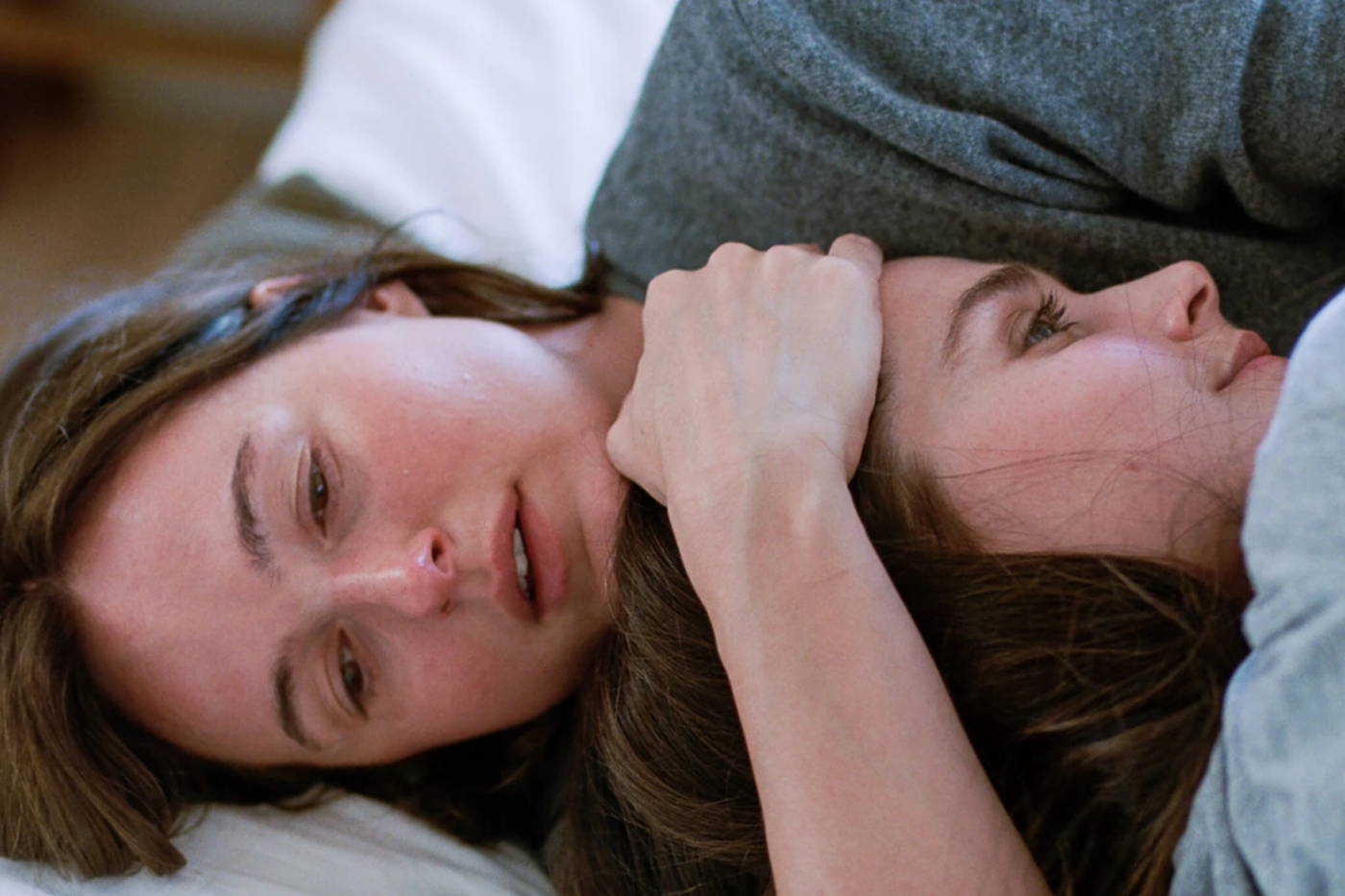
Photo: Kasper Tuxen
Logline: An aging film director attempts to reconnect with his estranged daughters by casting one of them in a film based on his mother’s life.
Accolades: Grand Prix (second place) at Cannes, eight nominations at the European Film Awards, Best Supporting Actress from the NBR, Best Supporting Performance from LAFCA, seven Golden Globe nominations.
Where else it could compete: Picture, Director, Original Screenplay, Actress, Supporting Actor, Supporting Actress.
Sentimental Value came into Cannes as the on-paper heavyweight: a reunion between the Worst Person in the World duo of director Joachim Trier and actress Renate Reinsve, with Andor fan fave Stellan Skarsgård bringing additional heft. Expectations were so high that anything short of the Palme d’Or would have felt disappointing — which is exactly what happened. This dynamic has continued throughout the season, as the minor-key drama has seen its buzz usurped by the Panahi lovefest and received softer critical support than anticipated. Losing its front-runner status has obscured the fact that Sentimental Value is nevertheless performing quite well. At the Globes, it was one of only five films to score Picture/Director/Screenplay nominations, cementing its place in the upper tier of contenders.
Logline: As Brazil suffers under a military dictatorship in the late 1970s, a former academic goes into hiding to evade the killers on his trail.
Accolades: Best Actor and Best Director at Cannes, Best Actor and Best Foreign Language Film from the NYFCC, Best Foreign Language Film from the LAFCA, three Golden Globe nominations.
Where else it could compete: Picture, Actor; perhaps Director and Original Screenplay.

Photo: Neon/Everett Collection
Conversely, The Secret Agent arrived with fewer expectations — only an outside shot at a Best Actor nom — meaning that everything it has won feels like a major accomplishment. Like It Was Just an Accident, Kleber Mendonça Filho’s film has gained an unfortunate urgency in the second Trump era, and alongside One Battle After Another, they form a potent triad of onscreen resistance. The comparison to last year’s Brazilian entry, I’m Still Here, will be interesting — The Secret Agent is far more fun but also far weirder. So far, though, that appears to be working in its favor. Star Wagner Moura is looking good for an Oscar nom, and now smart pundits like Joyce Eng have begun to include Filho’s film in their Best Picture predictions.
Logline: A 21st-century spin on Kind Hearts and Coronets, in which a laid-off paper expert decides to murder his competition for a potential job opening.
Accolades: International People’s Choice Award at the Toronto International Film Festival, three Golden Globe nominations.
Where else it could compete: Picture, Adapted Screenplay; perhaps Director and Actor.
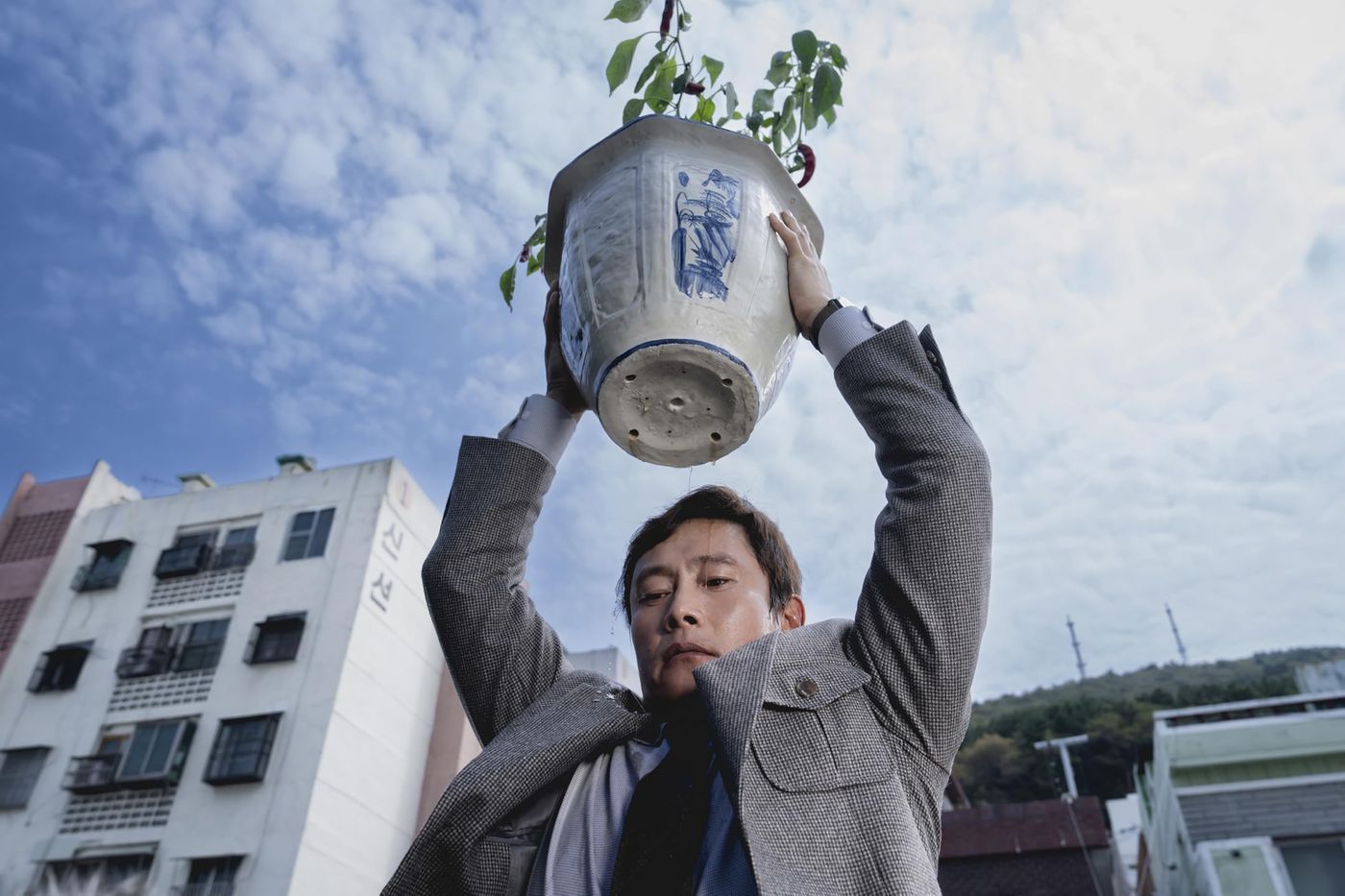
Photo: NEON
No Other Choice stands slightly apart from its Neon siblings, since it premiered at Venice rather than Cannes. (Like Sentimental Value, it was acquired ahead of time.) It’s also working a different kind of narrative, built around director Park Chan-wook. As the man behind orgiastic extravaganzas like Oldboy and The Handmaiden, he’s arguably even more acclaimed on the global stage than Panahi or Trier, and he’s never had a film nominated for an Oscar before. Though this anti-capitalist satire was well-received at the festivals — nobody else moves their camera like Park does — there’s still a faint whiff of a career-achievement element at play here. A better-than-expected showing at the Golden Globes, where No Other Choice earned a nomination for Best Musical/Comedy, plus another for star Lee Byung-hun, could be a sign we’ve been underestimating its ceiling.
Logline: A father searching for his lost daughter teams up with a band of ravers traversing the Moroccan desert, while a global conflict erupts in the background.
Accolades: Jury Prize (third place) at Cannes, nine nominations at the European Film Awards, Best Score from LAFCA, two Golden Globe nominations.
Where else it could compete: Original Score; perhaps Sound.

Photo: Neon
Sirāt was the only Neon contender to miss out on a Best Picture spot at the Globes (its noms came in Non-English Language and Score), adding to the feeling that this nihilist epic is the title most at risk of missing with Oscar. Critics, too, have been divided: The New Yorker’s Justin Chang dubbed Sirāt the best film of the year, while his colleague Richard Brody dinged its “hand-waving generalities and coy silences.” Oliver Laxe’s film has a sensory oomph that few others can match, which could give it a winning edge — as could the fact that Laxe himself is a six-foot-six Galician who looks like a runway model.
Neon’s attempted domination of the International Film category has not gone unnoticed. At the Gothams, I heard other foreign-language contenders grumble that the studio had essentially purchased the Oscar on wholesale. But we’re still a week away from the field being whittled down to a 15-film shortlist, so nothing is set in stone.
Here’s what else is in the race:
The Voice of Hind Rajab (Tunisia): The Grand Jury Prize (second-place) winner at Venice, and the only non-Neon film to crack the Globes’ foreign-language category. It’s a docudrama about the IDF’s killing of a 5-year-old Palestinian girl that employs the real audio of Rajab’s call to emergency services — a choice my colleague E. Alex Jung called “brilliant and awful … so alive it has the effect of pulling you into an immediate present where she could still survive.”
My Father’s Shadow (United Kingdom): A British-Nigerian film starring Sope Dirisu of Slow Horses, which won Breakthrough Director and Outstanding Lead Performance — beating a whole bunch of surefire Oscar nominees — at the Gotham Awards.
The Sound of Falling (Germany): A critically acclaimed entry that tied with Sirāt at Cannes, and sounds like The Zone of Interest meets Robert Zemeckis’s Here, following four girls who inhabit the same farmhouse across 100 years of German history.
Left-Handed Girl (Taiwan): Netflix’s strongest horse in the race, a coming-of-age tale shot on an iPhone and co-written by Sean Baker.
The President’s Cake (Iraq): A 1990s period piece that won the Audience Award at Cannes’s Directors Fortnight sidebar.
Will anyone interrupt Neon’s parade? We’ll get our first clue when the International Film shortlist is released on Tuesday, December 16.
Every week between now and January 22, when the nominations for the Academy Awards are announced, Vulture will consult its crystal ball to determine the changing fortunes in this year’s Oscar race. In our “Oscar Futures” column, we’ll let you in on insider gossip, parse brand-new developments, and track industry buzz to figure out who’s up, who’s down, and who’s currently leading the race for a coveted Oscar nomination.

Photo: Giles Keyte/Universal Pictures
Having booked its spot in the Best Picture race on the basis of blockbuster grosses, For Good’s case was already weakened by not showing the same legs as its predecessor. (Its third-weekend gross was roughly half of Part One’s.) Then on Monday, the Golden Globes — a precursor whose whole point is to give a boost to films like Wicked — left the sequel out of their Best Musical/Comedy lineup, in favor of two different Richard Linklater movies. The combination of solid crafts and strong performances could still push For Good into the Oscar lineup, but the consensus that this is a significant step down from the original is not a change for the better.

Photo: Neon/Everett Collection
If Wicked falters, which on-the-bubble contender could step up? On deck right now appears to be The Secret Agent, which was named the Best Picture runner-up to OBAA at the Los Angeles Film Critics Association Awards, and earned a spot in Best Drama at the Globes. Pundits are occasionally guilty of assuming a one-to-one correlation with events of the past, but it’s tempting to predict that The Secret Agent will follow the same path as I’m Still Here did last year, riding an acclaimed lead performance to a place in Oscar’s Best Picture lineup. If Wagner Moura wins the Best Actor in a Drama Globe, watch out.
Avatar: Fire and Ash, Frankenstein, Hamnet, It Was Just an Accident, Marty Supreme, One Battle After Another, The Secret Agent, Sentimental Value, Sinners, Train Dreams

Photo: Michael Buckner/Variety via Getty Images
Even with six available slots, Safdie couldn’t crack the Globes’ directing slate. (Guillermo del Toro got in instead.) Marty is looking safe for a Best Picture nom, but the tastemakers have seen fit to hand it the kind of consolation-prize awards —Best Editing honors from the New York film critics, Best Screenplay from the Los Angeles ones — befitting a second-tier contender. Considering the internationally pedigreed filmmakers he’s up against, Safdie will have to hope the ping-pong drama can rise in estimation after its Christmas debut if he wants to crack this category.

Photo: Samir Hussein/WireImage
On the basis of this week’s Ella McKay, it’s worth asking: Is James L. Brooks being Good Bye, Lenin’d? The amiably terrible film suggests that, for some unknown reason, the Oscar winner’s friends and loved ones have convinced him it is still 1988, and things just got out of hand. “A real baffler of a movie,” says Alissa Wilkinson, “the sort where you repeatedly wonder if you somehow dozed off briefly.”
Paul Thomas Anderson, One Battle After Another; Ryan Coogler, Sinners; Jafar Panahi, It Was Just an Accident; Joachim Trier, Sentimental Value; Chloé Zhao, Hamnet

Photo: Sabrina Lantos/Sony Pictures/Everett Collection
He’s not standing alone. Hawke’s turn as Lorenz Hart — the little lyricist who couldn’t — got LAFCA in his corner, as the org handed him its Best Actor prize. Hawke then bewitched, bothered, and bewildered the Golden Globes, which nominated him for Best Actor in a Musical/Comedy while also handing Blue Moon a Best Picture nod over Jay Kelly and Wicked: For Good. Now that Wagner Moura appears to have secured his place, the final Best Actor spot feels like it will come down to Hawke versus Joel Edgerton and George Clooney.

Photo: Neon/Everett Collection
Or maybe we’ll get a dark-horse pick like Lee Byung-hun, who nabbed an unexpected Globe nod for his performance as a family man who breaks bad. I’d feel better about Lee’s Oscar chances if critics’ groups hadn’t already put all their chips on Wagner Moura as their preferred Neon leading man, but still, fun nomination! And at least, like Moura, the Squid Game alum does have the benefit of being a familiar face from a popular Netflix show
Timothée Chalamet, Marty Supreme; Leonardo DiCaprio, One Battle After Another; Ethan Hawke, Blue Moon; Michael B. Jordan, Sinners; Wagner Moura, The Secret Agent
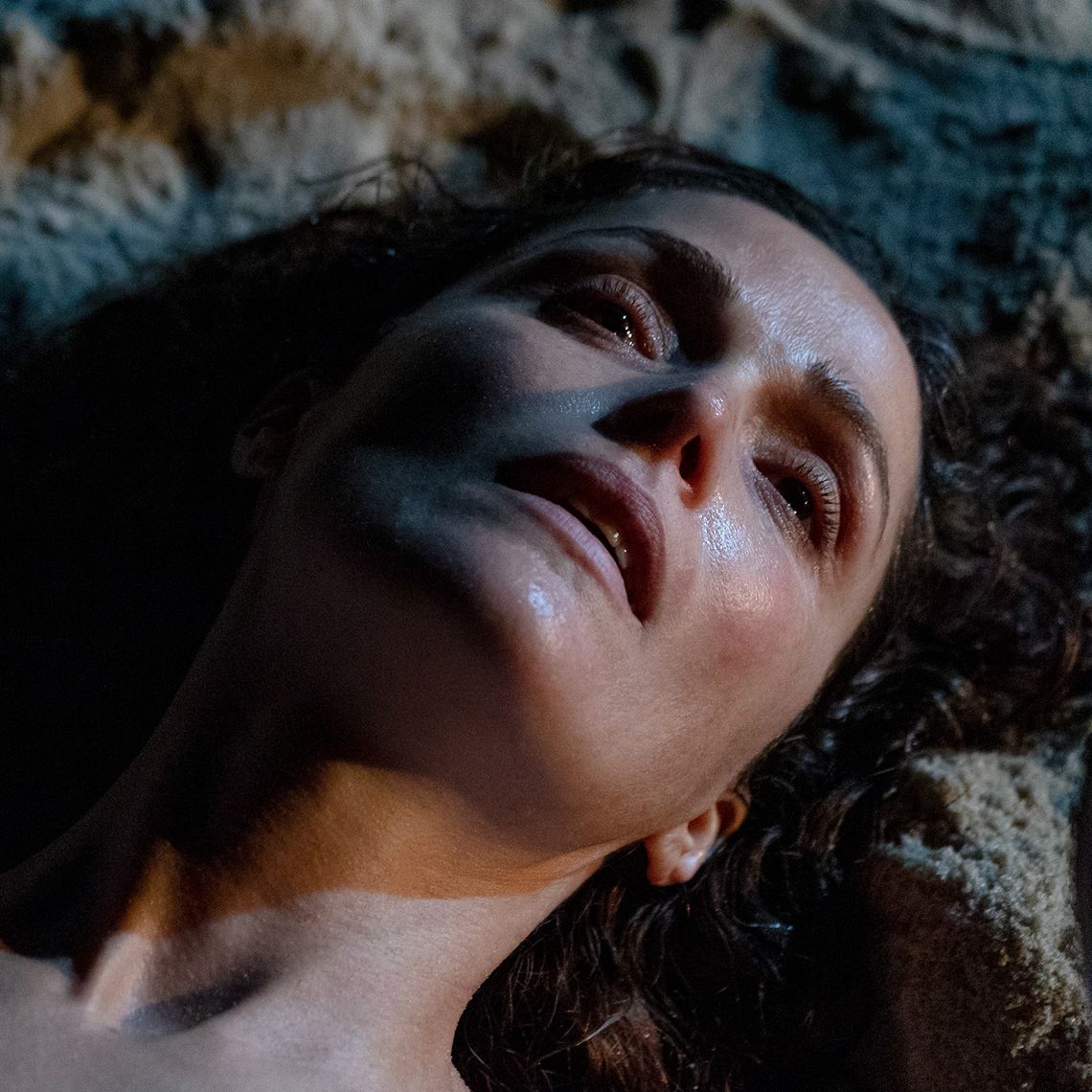
Photo: A24
The L.A. critics followed their New York brethren in naming Byrne Best Actress; now all she needs is the award from the National Society of Film Critics to hit the trifecta. With the tastemakers lining up behind her, could Byrne catch up to Jessie Buckley? Perhaps, though the industry people I meet can’t stop raving about Buckley, even the ones who aren’t crazy about Hamnet itself. In other words, there’s still a ways to go to make this a real race, but like the determined mother she plays, Byrne’s going to try to leg this one out: She’ll head to the Palm Springs Film Festival next month to pick up the Breakthrough Performance Award, a key late-game campaign opportunity.

Photo: A24/Everett Collection
In recent years, the Golden Globes have trod a rocky path away from old-school corruption to a new, more subtle form of corruption. Still, in some ways they have indeed turned over a new leaf. Case in point: In years past, the Globes would have jumped at the chance to nominate a big name like Christy’s Sydney Sweeney for Best Actress in a Drama, box office be damned. This year, though, that spot went instead to Victor, the writer/director/star of a low-budget Sundance indie. Not bad for a former Twitter comedian and Reductress writer who was named one of Vulture’s Comedians You Should and Will Know in 2019.
Jessie Buckley, Hamnet; Rose Byrne, If I Had Legs I’d Kick You; Chase Infiniti, One Battle After Another; Renate Reinsve, Sentimental Value; Amanda Seyfried, The Testament of Ann Lee

Photo: Kasper Tuxen/Neon/Everett Collection
The season hasn’t gone quite as expected for Skarsgård, who once looked like he was going to coast along on a sense of “It’s his time” inevitability, only to be blown past by the One Battle After Another dudes. Still, a prize from the LAFCA helps get him back on track, as does Sentimental Value’s overall strong showing at the Globes, where it placed second with eight nominations.

Photo: Warner Bros./Everett Collection
The Globes’ support for Sinners didn’t extend to any of its supporting players, as Lindo lost his seat to the likes of Frankenstein’s Jacob Elordi and Jay Kelly’s Adam Sandler. I still like Lindo’s chances over those two when it comes to the Academy — Elordi will be working against voters’ inherent distrust of young hunks, Sandler their snobbiness — but for an actor who has been open about how much his Oscar snub for Da 5 Bloods affected him, I hope we’re not setting him up for another round of disappointment.
Benicio Del Toro, One Battle After Another; Delroy Lindo, Sinners; Paul Mescal, Hamnet; Sean Penn, One Battle After Another; Stellan Skarsgård, Sentimental Value

Photo: Warner Bros.
Taylor tied Skarsgård for the LAFCA’s gender-neutral supporting-actor prize, and I’m open to the possibility that, with Wicked fading, she deserves to be considered the new favorite in this race. Not only is Taylor repping the undeniable Best Picture front-runner, she absolutely owns her stretch of the movie, in a way few others in this category do. You miss her when she’s gone — and then she comes back!

Photo: Warner Bros.
Like Lindo, the Gotham Award winner was a surprising miss at the Golden Globes. (Feel free to send the Globes voters as many raised eyebrows as you feel like.) I’m less confident in her chances of holding on, if only because of the British actress’s shorter track record in Hollywood. But this category remains unsettled, and really, all Mosaku has to do is overtake Emily Blunt of The Smashing Machine and one of the Sentimental Value ladies to be back in the mix.
Inga Ibsdotter Lilleaas, Sentimental Value; Amy Madigan, Weapons; Wunmi Mosaku, Sinners; Ariana Grande, Wicked: For Good; Teyana Taylor, One Battle After Another



