History is written by the victors, but it takes a special type of loser to never be forgotten.
Every season, CFL teams battle for a chance to be crowned Grey Cup champions — a feat only attainable by one franchise. Someone always has to finish last in that race, and sometimes they do so in spectacular fashion. Whether through incompetent management, putrid quarterbacking, porous defence, or just plain old bad luck, there have been some utterly terrible teams to grace a Canadian field, and each of them has a story to tell.
Fans often discuss which team had the best season in league history. I’ve set out to figure out who had the very worst. This isn’t just a list sorted by win percentage; everything was considered, including the statistical numbers, context of the situation, relative talent of the roster, and the harshness of the vibes. The only rules were that the team had to finish at the bottom of the league standings and had to compete in the modern era — 1946 Hamilton Tigers need not apply.
All that is to say that the result is entirely subjective and perfect fodder for debate. Some objectively horrid teams failed to make the cut, while others that did will have their defenders. Either way, I hope you learn as much from reading this trip down memory lane as I did putting it together.
20. 1960 Saskatchewan Roughriders (2-12-2)
Believe it or not, the 1960 season was a dramatic improvement for the Riders after a historically bad 1959 — more on that later — but don’t let a pair of ties fool you. Saskatchewan cheaped out by promoting veteran halfback Ken Carpenter to head coach ahead of the season, and he was out of his depth, resigning that November to resume his playing career with the Denver Broncos. This team had star power at quarterback on paper, but both Bob Ptacek, who was acquired in a rare NFL-to-CFL trade from the Cleveland Browns, and NFL first-round pick Don Allard struggled, leading to a couple of shutout losses.
19. 1967 Montreal Alouettes (2-12)
Defensive coordinator Kay Dalton was handed the keys to a dud after head coach Darrell Mudra resigned in the offseason and struggled to get the offence going, as the Alouettes scored just 166 points in the short East Division regular season. A year after earning all-star honours and crossing the thousand-yard mark, running back Don Lisbon was held to just 385 yards in seven games before being traded and still ended the year as the team’s rushing leader. All-star seasons from Phil Brady and John Baker on defence couldn’t help this squad move the ball.
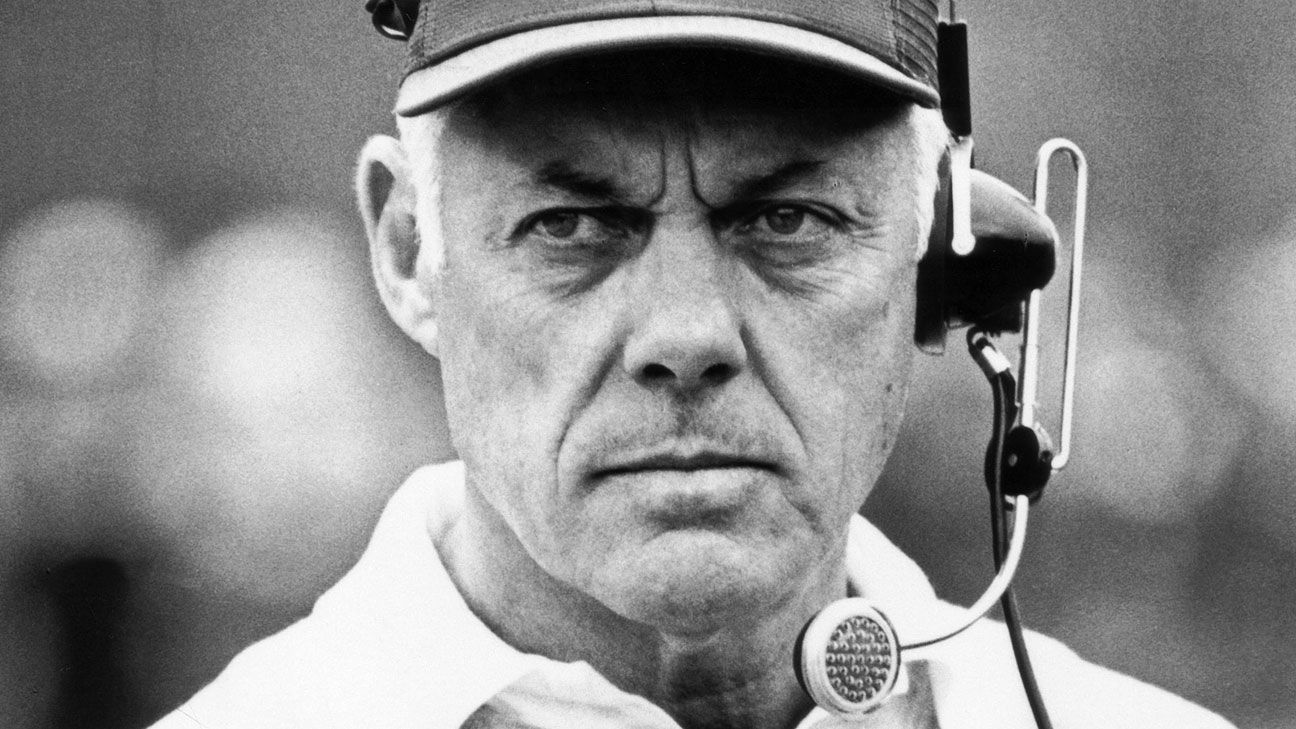
18. 1964 Winnipeg Blue Bombers (1-14-1)
Nearly everything that Bud Grant touched as a head coach on both sides of the border turned to gold, but 1964 was the lone glaring exception. Despite the presence of legends like Leo Lewis and Ken Ploen, this Bombers team lost a record 13 straight games to end the season, five of which were by one score and two by a single point. Winnipeg’s average point differential of -7.9 is the closest of any team on this list, and they statistically had a better offence and defence than the four-win Edmonton squad that finished above them in the standings, but they got no lucky bounces during this brief Grey Cup hiatus.
17. 1997 Hamilton Tiger-Cats (2-16)
It’s easy to forget that before he became the undisputed passing GOAT, Anthony Calvillo’s CFL career was hanging by a thread. 1997 may have been his darkest chapter, as he threw 11 interceptions to just 12 touchdowns in 10 starts, was stripped a dozen times behind a bad offensive line, and ended the year on the injured list before being released. The persistent struggles were enough for Canadian Football Hall of Famer Don Sutherin to be fired as head coach and replaced in the interim by Urban Bowman, though he later returned as defensive coordinator on Ron Lancaster’s staff the next season and helped Hamilton reach back-to-back Grey Cups.
16. 1970 Winnipeg Blue Bombers (2-14)
Jim Spavital’s first season as head coach of the Bombers was marked by remarkable offensive ineptitude, as his team managed to score just 184 points all season — 62 fewer than the next-worst scoring team. While it wasn’t uncommon for quarterbacks to throw more interceptions than touchdowns in this era, the trio of Wally Gabler, Ron Johnson, and Benjy Dial outdid themselves with 30 combined picks to just 10 majors. Gabler was traded mid-season to Hamilton and helped that team reach the East Final, rubbing salt in the wound.
15. 1961 B.C. Lions (1-13-2)
Sometimes the future is more important than the present, and the Lions set the stage for their first-ever Grey Cup win in 1964 by sucking the life out of Empire Stadium in 1961. An 0-6-1 start led to the firing of head coach Wayne Robinson and the hiring of Dave Skrien, while the team also traded for legendary QB Joe Kapp in August to kickstart an offence entirely reliant on Willie Fleming. The Hall of Fame signal caller had by far the worst year of his career, completing just 40.7 percent of his passes with 15 interceptions to nine touchdowns, but the move paid off later. Even with the offensive issues, the defence was the real tragedy this year, giving up 79 more points than any other team.
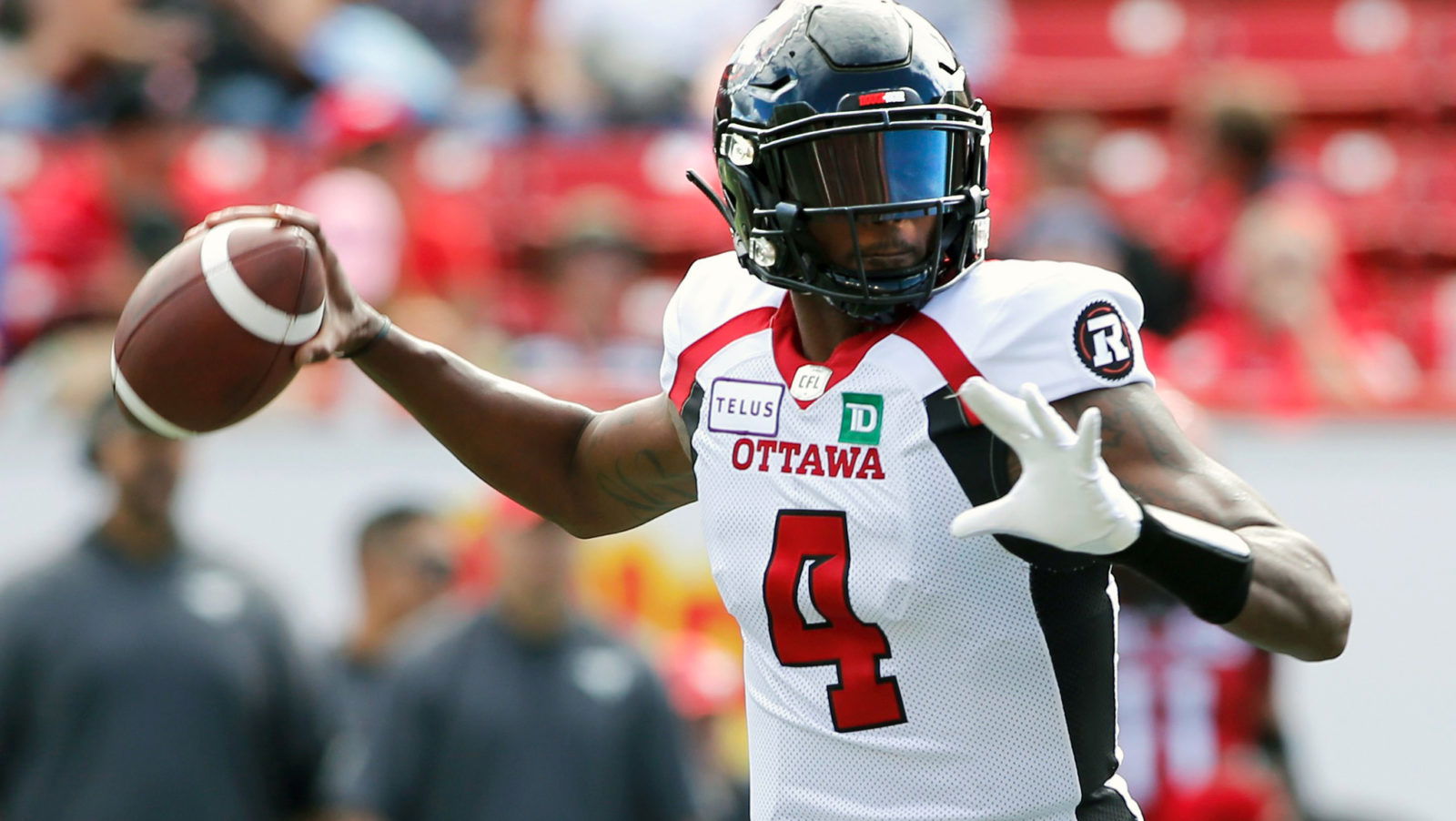
14. 2019 Ottawa Redblacks (3-15)
The most recent team to crack this inauspicious list, Ottawa opened the 2019 season with back-to-back wins before the wheels came off. In hindsight, entering the year with a quarterbacking trio of Dominique Davis, Jonathon Jennings, and Will Arndt and no true offensive coordinator following the departure of Jaime Elizondo was asking for disaster, as they finished with a combined 11 touchdowns and 27 interceptions. General manager Marcel Desjardins let Trevor Harris, Greg Ellingson, and William Powell walk in free agency while failing to sign or draft any meaningful replacements, and still, it was head coach Rick Campbell who fell on the sword after the season. Just a year removed from reaching the Grey Cup, the Redblacks’ franchise has yet to fully recover from this collapse.
13. 1980 Saskatchewan Roughriders (2-14)
Saskatchewan built a statue of Ron Lancaster outside Mosaic Stadium, but that honour was to recognize his legendary playing career and not his brief head coaching tenure — both seasons of which make this list. In his final year, The Little General tried to find a worthy successor to himself at quarterback by signing John Hufnagel and trading for Joe Barnes, but both were dreadful while throwing nearly twice as many interceptions as touchdowns. The Riders scored 50 fewer points and allowed 76 more than any other team, with Ken McEachern’s 10 interceptions being the only redeeming feature of the year.
12. 1982 Montreal Concordes (2-14)
The 1981 Montreal Alouettes team that folded after that season probably deserves a spot on this list, but they were disqualified by somehow miraculously making a playoff game. The Frankensteined team that replaced them was not nearly as lucky. Though the scoring gap between the Concordes and the second-worst team in the league, Ottawa, was fairly minimal that year, Joe Galat’s team was swept in the season series against the Rough Riders, including a 55-5 defeat. While former NFL second-round pick Johnny Evans had an underwhelming season at quarterback, the true weakness of this offence was in running the ball, as Lester Brown led the backfield with just 388 yards despite playing 14 games.
11. 1981 Toronto Argonauts (2-14)
The Toronto Argonauts made history as the first team in the CFL to hire a Black head coach in 1980, but sadly, they were also the first team to fire one when they showed Willie Wood the door after a 0-10 start to his second season. The Boatmen stood out as the worst of an abysmal East Division in 1981, as Ottawa and Montreal made the playoffs at 5-11 and 3-13, respectively. After narrowly beating those Alouettes in Week 16, interim coach Tommy Hudspeth had his moribund squad alive until the very end, but they gave up a 60-burger against Edmonton the next week and flubbed the finale to finish on the outside looking in despite their improbable shot at the postseason.
10. 1963 Edmonton Football Team (2-14)
Before you put me on blast for not using Edmonton’s old name, ask yourself if 1963 is really the historical legacy you want to preserve. Eagle Keys’ final season as head coach might be worth forgetting, thanks to a talent-deprived defence that allowed 100 more points than any other unit in the country. Tommy Joe Coffey and ‘Long Gone’ Jim Thomas maintained a brave face on offence, but Lynn Amedee and Don Getty struggled as the top two QBs. Third-stringer Tom Maudlin had a worse time in his lone start, setting a franchise record with six interceptions.
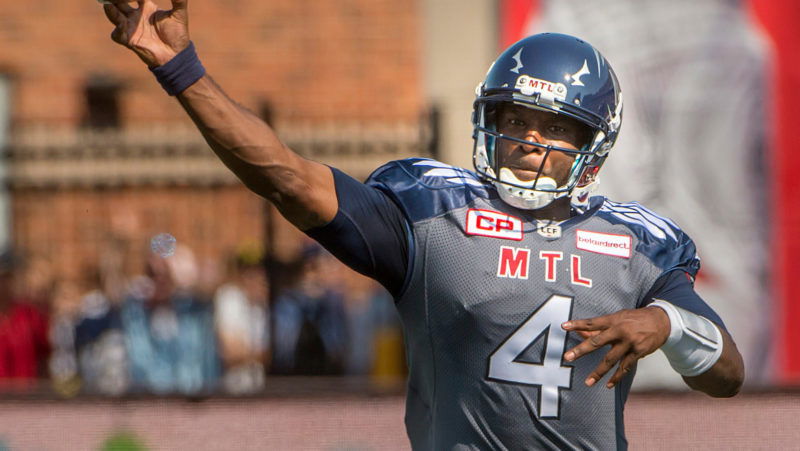
9. 2017 Montreal Alouettes (3-15)
It turns out that promoting your special teams coordinator to general manager with no prior front office experience might not be a recipe for success — who knew? That’s exactly what the Alouettes did with Kavis Reed prior to this horrific campaign, and he added interim head coach duties to his job description after firing Jacques Chapdelaine midseason. Montreal’s roster was a little too past its prime to make a go of it in 2017, as Darian Durant struggled in his final season, and they scored 129 fewer points than any other team. Nik Lewis, John Bowman, and Stefan Logan were still key contributors at 35 years old, and Kyries Hebert was named the team’s M.O.P at 37.
8. 2014 Ottawa Redblacks (2-16)
Expansion teams are supposed to struggle, so I suppose we can cut the inaugural version of the Redblacks a little slack. Even so, this team was painful to watch at times, scored 82 fewer points than anyone else, and was held to single digits on seven separate occasions. Linebacker Jasper Simmons was named the team’s Most Outstanding Player and was traded that offseason, never starting another CFL game, while leading receiver Marcus Henry would make just three more catches in his career. Ottawa’s turnaround the following season was one of the most impressive in league history, but there was a reason that they had to blow the whole roster up.
7. 1994 Shreveport Pirates (3-15)
This list couldn’t possibly be complete without a U.S. expansion team, and the gong show in Louisiana is certainly worthy of the recognition. Their disastrous inaugural season started in training camp when head coach John Huard was fired, allegedly over a dispute with the team’s training staff. Pro Football Hall of Fame offensive lineman Forrest Gregg replaced him and produced a record 14 consecutive losses to open the season. Led by quarterback Mike Johnson, nine different players threw passes for the team and produced a combined completion percentage of 44.0 with 37 interceptions, resulting in an offence that scored 105 fewer points than any other team in the league. The defence was no better, surrendering 36.7 points per game. The Pirates folded after the next season with multiple lawsuits pending against them, but the CFL still decided to give the Gliebermans another franchise a decade later.
6. 1995 Ottawa Rough Riders (3-15)
Football in Ottawa ceased to exist following another three-win season in 1996 that narrowly missed this list, but for my money, Jim Gilstrap’s first season at the helm was the true death blow. The career offensive line coach didn’t do a particularly good job in his area of expertise, as the Riders surrendered 56 sacks while protecting a hapless parade of quarterbacks that included veteran Danny Barrett, Heisman winner Andre Ware, Sammy Garza, Jay Macias, and Shawn Moore. Worse still, a whopping 685 points were given up by the defence, an average of more than 38 per game and the second-worst mark in CFL history. Swiss cheese, anyone?
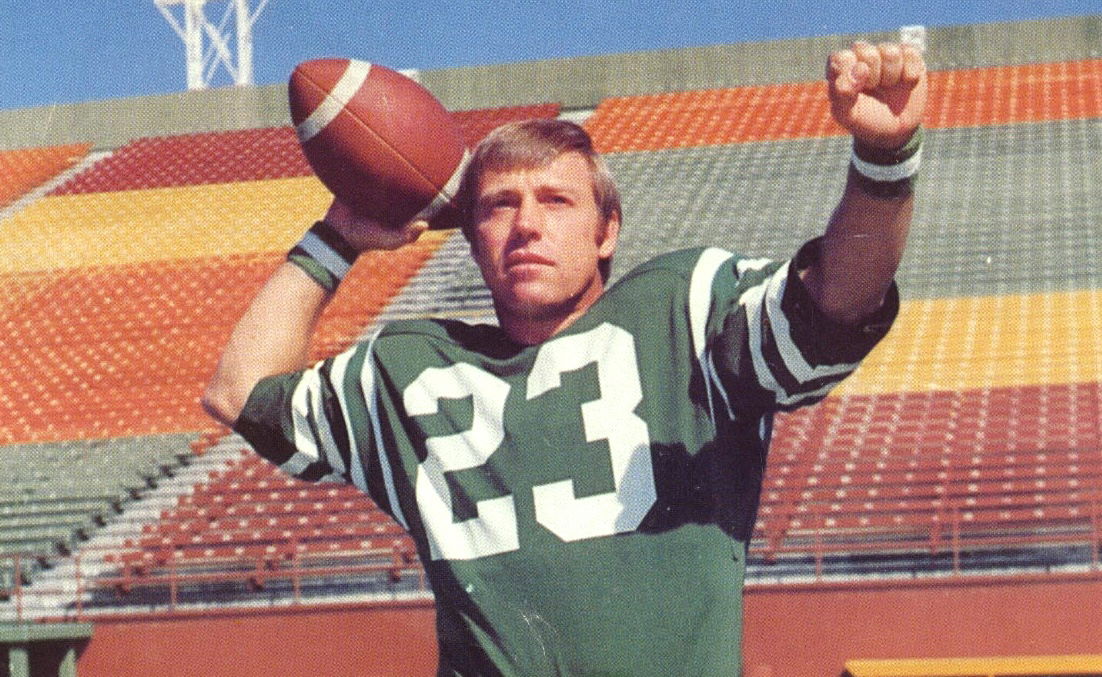
5. 1979 Saskatchewan Roughriders (2-14)
Losing a legend under centre like Ron Lancaster would do a number on any team, but Saskatchewan adjusted worse than most despite the fact that the franchise great was standing on the sidelines as the head coach. Tom Clements tossed just two touchdowns and was picked off 11 times to begin the year, before he was shipped off to Hamilton, where he was named an East Division all-star that same season. Replacement Larry Dick suffered a season-ending injury in his first start, Lloyd Patterson completed just 35.4 percent of his passes, and Danny Sanders won the race to the bottom to finish the year as the starter. The QB room threw a combined 38 interceptions with just nine majors to show for it, which might explain why the team failed to find the end zone in five games that year.
4. 1954 B.C. Lions (1-15)
The CFL as a league didn’t come into existence until 1958, but the modern era of Canadian football is widely regarded as having begun in 1954. That was also the inaugural season for the B.C. Lions, although you could have stood in the end zone most weeks and forgotten they were playing. The newcomers from the West Coast managed just 100 points all season, which averaged out to less than a converted touchdown per game. Al Pollard scored five of the team’s 11 offensive majors, as the Lions were shut out four times and held to single digits on nine other occasions. Even their only win of the season was a snoozefest, as they beat Calgary by a score of 9-4.
3. 1988 Ottawa Rough Riders (2-16)
Officials in Ottawa were so excited that the city was hosting the Grey Cup this season that they dubbed it “Super Season ’88” in one of the most ironic marketing campaigns of all time. The only thing “super” about the Rough Riders was their ineptitude, as they surrendered 82 sacks, scored 117 fewer points than any team in the league, and surrendered 142 more points than any opponent. Head coach Fred Glick was mercy-ruled after three games, and Bob Weber endured the remainder of the torment. Former NFL first-round pick Art Schlichter, banned from the league south of the border for his involvement in illegal gambling, was the team’s opening day starter at quarterback, but was quickly injured and released, leaving the team to rotate through the unenticing trio of Jeff Wickersham, Todd Dillon, and an ailing Roy Dewalt.
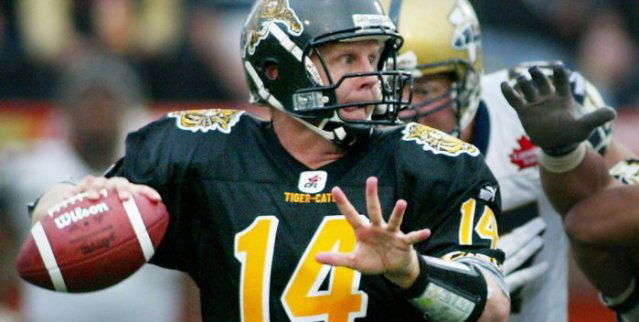
2. 2003 Hamilton Tiger-Cats (1-17)
No team in CFL history has lost more games in a single season than the ’03 Tabbies, and it could have been worse. The team needed overtime to secure their 27-24 win over Saskatchewan in Week 14, which stopped them from being the first winless team in the modern era. 38-year-old Danny McManus struggled under centre, throwing 15 interceptions compared to nine touchdowns, but the talent around him was skint. That was particularly true amongst the National contingent, as fullback Julian Radlein was the team nominee for both Most Outstanding Canadian and Most Outstanding Rookie after producing just 371 yards from scrimmage and a team-high seven touchdowns — heights he would never reach again. Head coach and general manager Ron Lancaster was understandably shown the door after this season and holds the unique distinction of coaching three teams on this list.
1. 1959 Saskatchewan Roughriders (1-15)
We may never see a team as unconscionably bad as the ’59 Riders ever again, though this one-loss season carries an asterisk. Saskatchewan actually won its regular-season finale 37-30 against a top-ranked Winnipeg team with nothing to play for, but they had to forfeit that game in advance when injuries to three different quarterbacks forced them to play the last two weeks of the season with interim head coach Frank Tripucka behind centre as an ineligible player. Tripucka, who replaced George Terlep on the sidelines nine games in after being released as a player by Ottawa, was far from the team’s worst signal caller, as Saskatchewan threw a CFL record 45 combined interceptions — 21 of which came courtesy of NFL first-round pick Don Allard. They weren’t any better on the ground, as Ferdie Burket led the team with just 423 yards rushing, but it was the defence that was the real horror show. Their 567 points allowed would be bad by modern standards and was 262 points more than any other team in the league that season, a difference that is 50 points larger than the team’s total scoring that season and amounted to an average margin of defeat of 22.1 points. Ironically, this horrific season was the only one in Green and White for arguably the most talented player to ever suit up for the Riders, but even a three-time NFL All-Pro and member of the Purple People Eaters like Jim Marshall couldn’t save the worst team in CFL history.