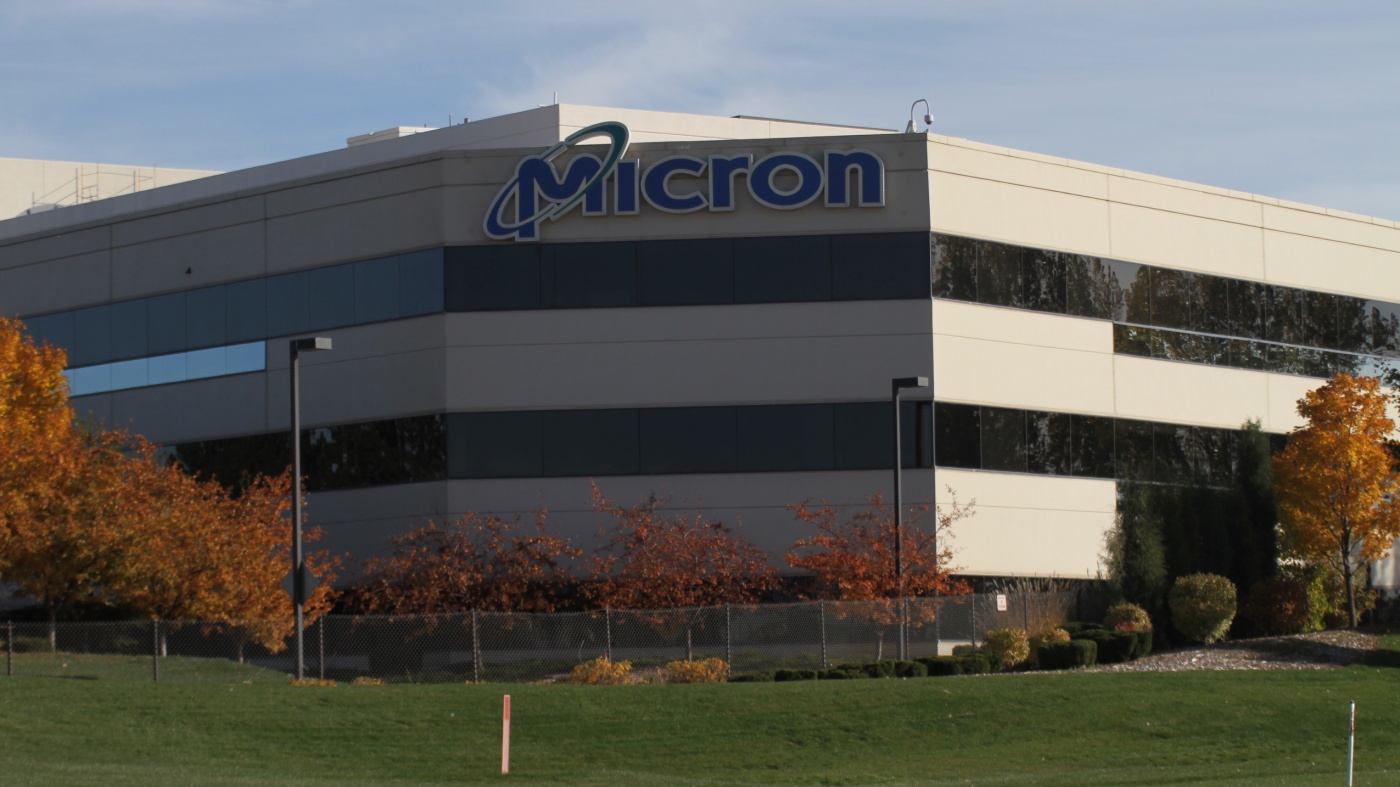
Idaho-based Micron Technology is one of the world's largest manufacturers of memory chips and is benefiting from growing demand.
Charlie Litchfield/ASSOCIATED PRESS/FR164915AP
hide signature
switch signature
Charlie Litchfield/ASSOCIATED PRESS/FR164915AP
The world has a memory problem due to artificial intelligence.
The explosion in cloud computing and artificial intelligence data centers has led to such a high demand for certain types of memory chips that there is now a shortage. The imbalance is expected to start affecting the prices of all types of technology-based products.
“I keep telling everyone that if you need a device, you buy it now,” said Avril Wu, senior vice president of research at TrendForce, a Taiwan-based consultancy that tracks computer component markets. “I already bought myself an iPhone 17,”
The chips are known as RAM, or random access memory, and they are critical to keeping devices like smartphones, computers, and gaming consoles running smoothly. The chips allow, for example, to keep multiple tabs open in browsers or watch videos without interruptions.

Wu said TrendForce data shows demand for RAM chips outpaces supply by 10% – and it's growing so fast that manufacturers have to shell out much more to buy them every month.
Wu said that this quarter alone they are paying 50% more than the previous quarter for the most common type of RAM, known as DRAM – dynamic random access memory. And if manufacturers want to get chips earlier, they pay two to three times more.
Wu expects DRAM prices to rise another 40% in the next quarter and does not expect prices to decline in 2026.
How AI absorbs memory
AI data centers require enormous amounts of memory to run the advanced graphics processing unit (GPU) microprocessors that train and manage AI models.
“AI workloads are built on memory,” said Sanchit Vir Gogia, CEO of technology consultancy Greyhound Research.
Moreover, artificial intelligence companies are spending billions of dollars to build data centers at an incredible rate around the world. It's for this reason that Gogia says demand for these chips is not just a cyclical blip.
“AI has changed the very nature of demand,” he said. “Training and inference systems require large, persistent amounts of memory, extreme bandwidth, and close proximity to computing resources. You can't reduce that without degrading performance.”
More chips for AI means fewer chips for other products
Idaho-based Micron Technology is one of the world's largest memory makers and has benefited from increased demand. Last week the company reported better-than-expected quarterly profit on the back of higher memory chip prices.
CEO Sanjay Mehrotra said the company expects the market to remain strong as the artificial intelligence boom continues. “We believe aggregate industry supply will lag demand significantly for the foreseeable future,” he said in a webcast after the earnings report.

Chip manufacturers such as Micron rescheduled production They must meet as much of the lucrative demand for high-quality memory associated with artificial intelligence as possible, analysts say. This is leading to fewer chips available for other market segments – personal computers, mobile phones, games and consumer products such as televisions.
And this means higher costs. Dell Technologies Chief Operating Officer Jeff Clark noted higher costs for earnings call November 25. On the PC side, he said, “I don't see how this won't get into the customer base.”
Analysts say there is no short-term solution to the problem.
Technical consultant Wu said the memory chip industry is facing serious bottlenecks. By the end of 2026, chipmakers will have exhausted the ability to expand production at their current facilities, she said.
She said the next new plant expected to come online is being built by Micron in Idaho. The company says it will be commissioned in 2027.
Expect suppliers to continue raising prices for the foreseeable future, Wu said.