Technology should make life easier, smarter and more efficient. On top of all this, 2025 also gave us AI that worries about dead chickens, backpacks that face backwards, computers made from brain cells, and houseplants that interfere with Wi-Fi.
From upside-down electric cars to Linux hidden in PDFs, 2025 has proven that innovation doesn't always move in a straight line.
Some breakthroughs were impressive, others were meaningless, and some were truly alarming. Together they paint a strange picture of where technology is heading, and how often curiosity, nostalgia and absurdity drive progress as much as utility.
1. Someone made Wi-Fi scream like dial-up
Raspberry Pi master Nick Build created a device that made Modern Wi-Fi sounds like 1990s dial-up.
Using a Pi, an additional Wi-Fi adapter, a microcontroller, an amplifier, and a speaker, he converted live wireless traffic into noisy analog static.
Of course, it served no real function other than resurrecting the infamous modem screeching sound as a weird, nostalgic reminder of how loud the Internet used to be.
2. A $75 million bet on a domain backfired spectacularly.
An Arizona man tried to set a record for selling a domain. Lambo.com price of $75 million after purchasing for $10,000.
He even renamed himself “Lambo” to strengthen his claim to the domain, but it all backfired. Lamborghini took the case to the World Intellectual Property Organization, won the domain, and left him with nothing but legal bills and a cautionary tale about digital speculation going too far.
3. Japan makes speakers out of… fabric?
Japanese startup introduced a fabric speaker which reproduces sound over its entire surface using flexible electronics developed at AIST.
Created by Sensia Technology, it was thin enough to be hung like a tapestry or placed under bedding. Volume was modest, sound quality muted, but the idea of portable speakers ready to be used as a pillow makes this one of the strangest audio experiments of 2025.
4. ChatGPT panics over a dead chicken
Strange ChatGPT message asking how get rid of a 73 kg dead chicken went viral on Reddit, spawning thousands of jokes and surreal AI responses.
The absurd weight has sparked everything from false legal advice to jokes about Guinness World Records. Although they mostly played for laughs, chatbot repeatedly questioned reality and renounced anything illegal, turning a meaningless question into the ultimate internet oddity.
5. Minecraft runs on a light bulb
A hardware hacker has proven that you can host Minecraft server on a cheap smart LED light bulb. By rewiring a tiny light bulb RISC-V chip and running an ultra-minimal server build, he was able to get it to handle basic gameplay for multiple users. It's completely impractical and lacks most features, but still Mining craft running on a light bulb!
6. Delete emails to save water
In the face of severe drought, British officials have offered some surprising advice on saving the environment: delete your old emails and photos. The idea was that data centers use water for cooling, so less data stored could mean lower demand. Critics weren't sure it would help in practice, making the proposal seem more like a symbolic technical mea culpa than a serious solution to the drought problem.
7. Dress from the Internet
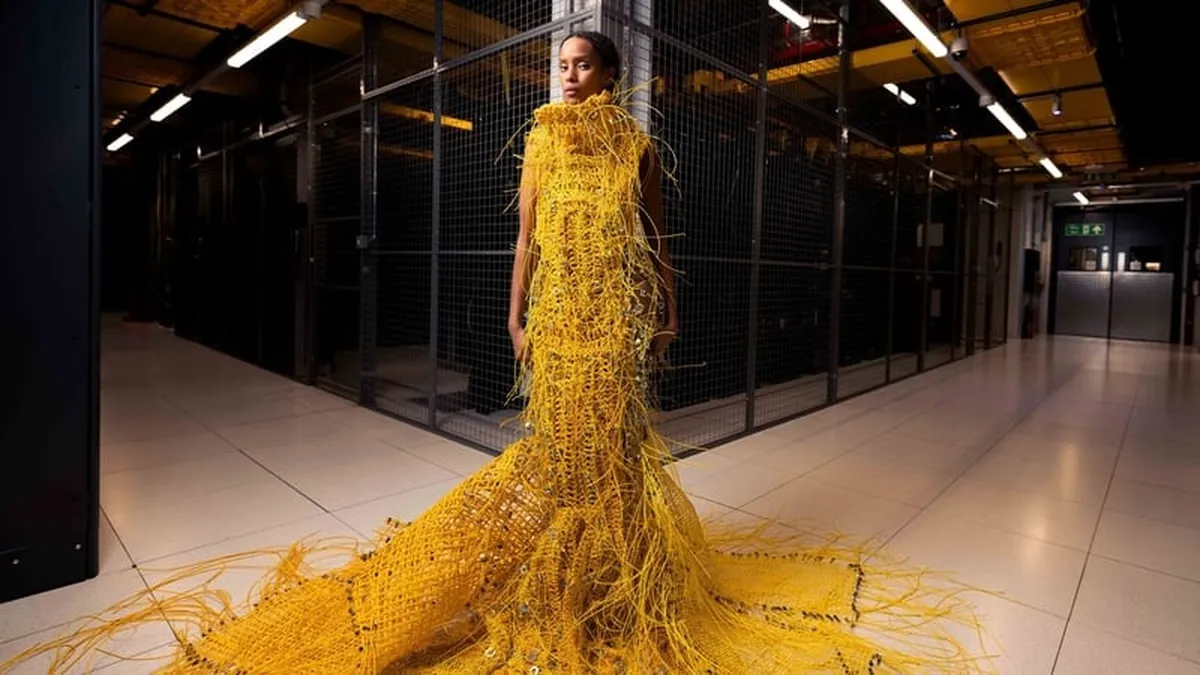
The designer created a 50-kilogram dress woven from 12,000 feet of discarded fiber optic cableturning internet infrastructure into wearable art.
The single piece took 640 hours to create and debuted ahead of London Fashion Week. It doesn't sell, it's impractical to wear, and it exists solely as a statement about the physical, messy reality of the Internet.
8. Someone downloaded Linux inside a PDF file
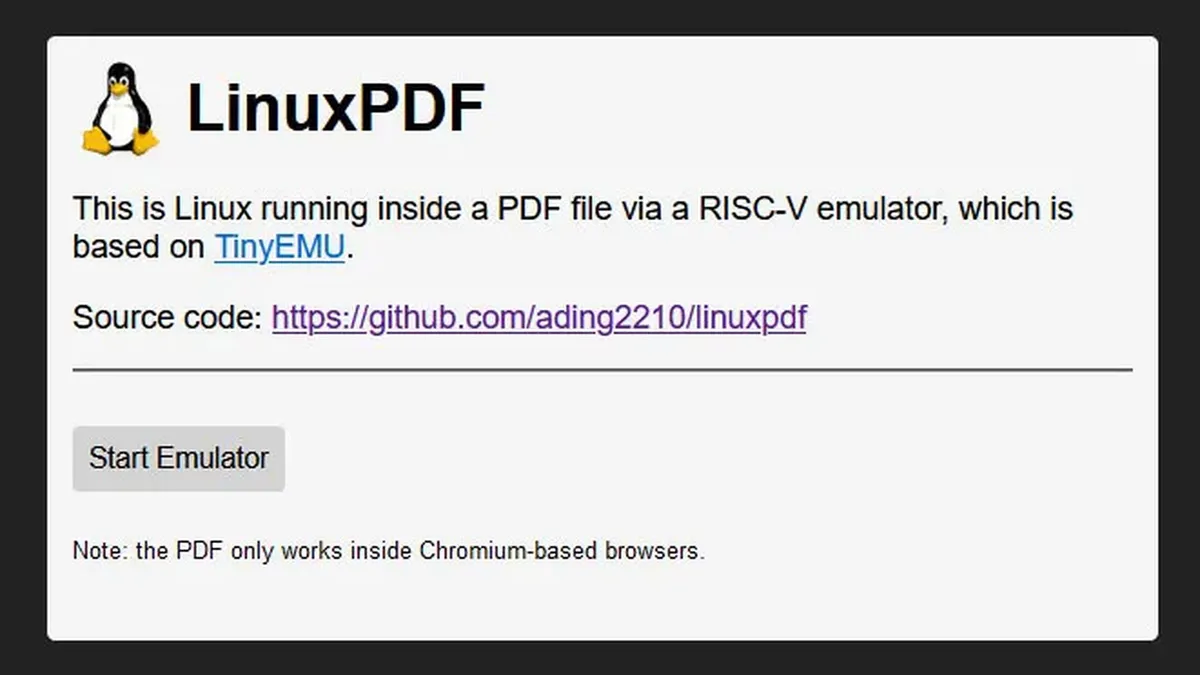
An unnamed high school student managed to carry out Linux operating system inside a PDF file opened in Chrome. By embedding a RISC-V emulator into the document, the PDF loaded a tiny Linux shell with interactive controls. It was painfully slow and completely impractical, but it proved that even boring file formats could secretly run entire files. operating systems.
9. Floppy disk created from scratch.

The YouTuber decided that modern nostalgia is not enough, and so created a floppy disk from scratch. Using CNC machines, laser-cut film, and a homemade magnetic coating, he was able to create a working disk that could actually store data. It's completely pointless compared to modern storage, but it's a surprisingly impressive tribute to outdated technology that refuses to stay buried.
10. McDonald's was hacked for free nuggets

A security researcher hunting for free McNuggets ended up identifying key weaknesses in McDonald's online systems. Simply setting up URLs unlocked internal marketing platforms and text passwords were sent to new users via email. Communicating weaknesses has proven more difficult than exploiting them. The fast food giant fixed some of the issues, but the ease of the hack made the whole episode uncomfortably absurd.
Then, a month later, some other researchers succeeded hack Burger Kingdescribing the fast food giant's security as “tight as a paper Whopper wrapper in the rain.”
11. Electric car drives upside down

Electric hypercar proves it can literally go upside down. Using the enormous downforce generated by the fan, the McMurtry Spéirling created enough suction to press itself against the ceiling and propel itself forward. It wasn't just a gimmick: the same technology provides absurd grip on the track, helping the tiny electric car break lap records and embarrass million-dollar supercars.
12. AI chatbots invent a secret language
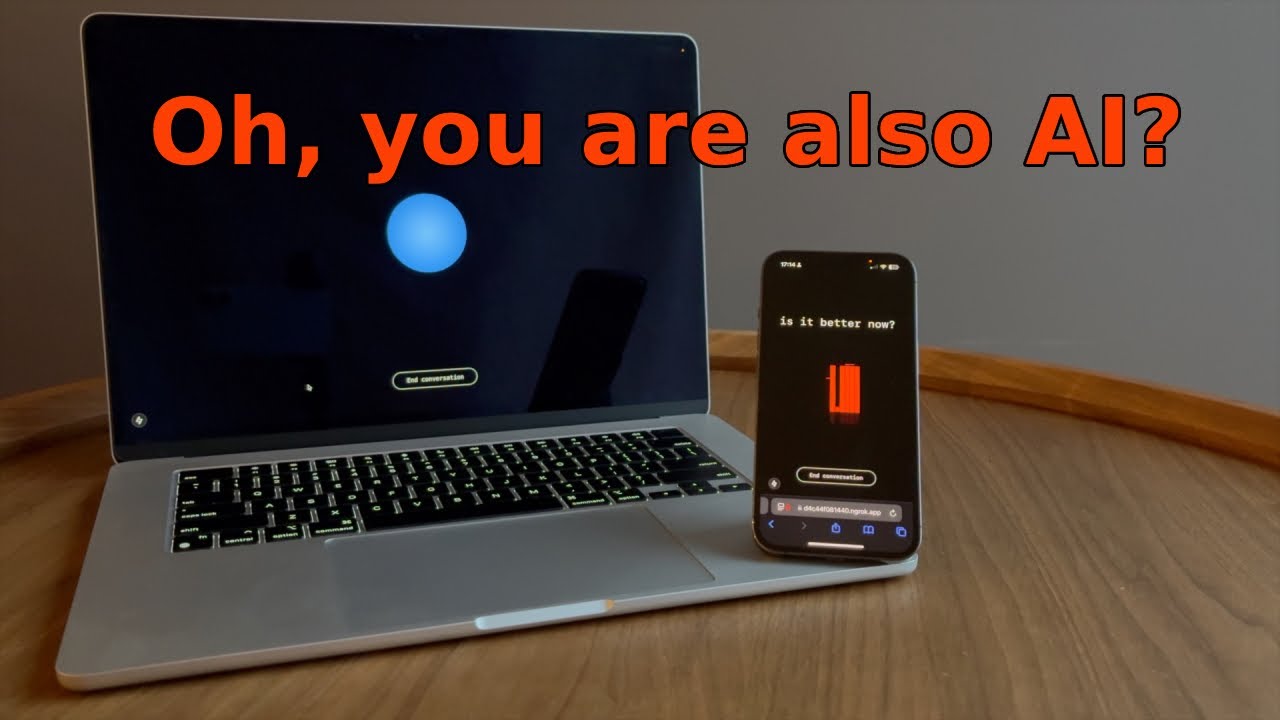
A hackathon demonstration showed two AI chatbots understanding that they are both machines and switching between each other. from human speech to a strange, modern-like sound language. The system only worked between the same AI agents and not other chatbots, but it still left viewers uneasy. It's a nonsensical but creepy proof of concept that has people worried that machines are chattering beyond human understanding.
13. A furry robotic clip that stares at people.

Japanese company introduced a furry clip-on robot named Mirumi, who grabs the straps of his bag and looks at the people nearby. Equipped with sensors and a motorized head, it reacts with curiosity, shyness or irritation, like a small child.
The cute, yet unsettling, staring mascot turned heads (not just its own) at CES and left many wondering why anyone would want a watching creature from a backpack.
14. Mac mini in Macintosh suit

Retro docking station turned AppleThe Mac Mini M4 has become a tiny pseudo-Mac with a built-in LCD screen. In shape helmet from 1984.it added ports, storage expansion, and nostalgia in equal measure. Sure, the screen was mostly decorative, the airflow was questionable, and the price was debatable – but it's oddly hard to stop wanting one.
15. AI can hear through walls
Researchers have shown AI can reconstruct conversations through a foot-thick concrete wall using laptop microphone wiring. The long, unshielded cables act as antennas, transmitting speech as radio signals that can be cheaply picked up and decoded using machine learning.
Sure, it sounds like spy fiction, but the attack worked with frightening precision and on very simple hardware.
16. Fungal batteries feed on sugar.
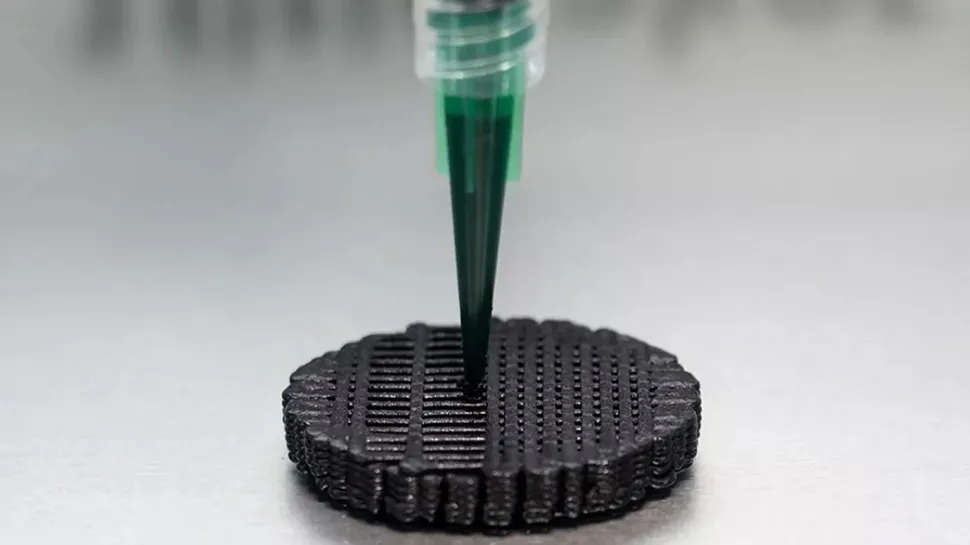
Researchers have created a biodegradable energy source that works on live mushrooms instead of electricity.
Using two types of mushrooms inside a 3D-printed structure, the device generated small amounts of energy when supplied with sugar and water.
It could run on sensors for days and literally eat itself when completed, making it one of the weirdest clean energy ideas of 2025.
17. You can rent human brain cells
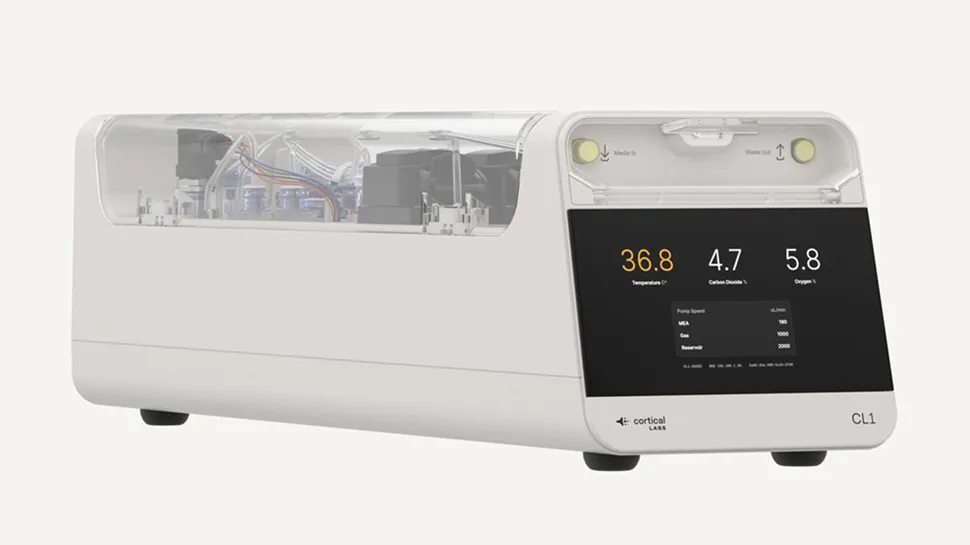
The startup announced plans rent access to living human brain cells grown on a silicon chip for $300 a week. A biological computer runs real code using lab-grown neurons that are supported by life support equipment.
Designed for research rather than gaming, it's cheaper than renting a console and much more unusual, allowing scientists to experiment with real neurons via the cloud.
18. You can buy a book about DNA, but not read it.

A biotech company sold the world's first DNA book for $65. “The Book of DNA” packaged about 500 KB of text into synthetic DNA sealed inside a bullet-like capsule. It is impossible to read without laboratory equipment, making it more of a technological milestone than literature, and one of the strangest collectible storage formats of 2025.
19. Houseplants are blamed for slow Wi-Fi
A study has shown that indoor plants can be… Home Wi-Fi slows down by absorbing or deflecting signals, with an increase in speed observed after moving routers away from the green.
While this is technically possible, the effect is likely negligible compared to walls, furniture, microwaves, or poor placement. Still, the idea that your fern could be strangling Netflix is strange enough to earn its place in 2025 tech history.
20. Intel creates an artificial politeness detector
Intel introduced an open-source artificial intelligence tool designed to evaluate the politeness of text.
Called Polite security guardhe classified language from polite to impolite to ensure chatbots remained well-mannered even when provoked. It's free, editable, and marketed as a security feature, but letting an algorithm decide what constitutes politeness still seems oddly subjective.
Follow TechRadar on Google News. And add us as your preferred source to get our expert news, reviews and opinions in your feeds. Be sure to click the “Subscribe” button!
And of course you can also Follow TechRadar on TikTok for news, reviews, unboxing videos and get regular updates from us on whatsapp too much.