

Billund, Denmark – Millions of people around the world instantly recognize the look, feel, especially underfoot, and even the sound of LEGO. Plastic blocks have shaped childhood memories for generations.
At the company's home in Denmark, decades of this experience are collected in a secret museum that only LEGO employees have access to. However, CBS News was able to take a look inside this little-known museum, where they could trace the evolution of one of the most recognizable and beloved toys in the world.
The museum is located next to the original home of LEGO founder Ole Kirk Christiansen – a reminder of the toy giant's humble beginnings. The brand's name reflects its philosophy: “LEGO” comes from the Danish phrase “leg godt” or “play well.”
Inside the museum are some of the very first LEGO bricks, including pieces dating back to the 1950s. Among the earliest exhibits is the first LEGO “system” ever assembled, a small town that laid the foundation for everything the company would build.
This system – the idea that every LEGO brick, no matter when it was made, can connect – originated in 1955, when the company built the first play city. Over the decades, LEGO creations have evolved from medieval villages to mind-blowing architectural masterpieces.
The collection features vintage sets that continue to function as intended many decades later, including a working drawbridge castle from the 1970s. But there was no shortage of evolution either. Since the first projects, LEGO designs have become increasingly ambitious and complex.
CBS Saturday morning
In addition to the classics, the museum features intricate creations, from miniatures of iconic landmarks such as the Eiffel Tower to LEGO flower bouquets. Other parts came from LEGO's own sub-brands. Many of today's parents are familiar, for example, with the armies of tiny characters from the modern children's fantasy superhero series Ninjago.
Inside the Lego house
CBS News also got a look inside the LEGO House, a nearly 130,000-square-foot monument to the toy filled with approximately 25 million LEGO bricks, including those of the more than 6 million that make up the astounding “Tree of Creation.”
It is the largest known LEGO structure in the world, standing nearly 50 feet tall. Each branch is filled with details and is pleasing to the eye.
Behind all the creations is LEGO's own army of creatives.
“There are about 700 designers here,” Andre Doxey, the LEGO Group's first American head of design, told CBS News.
Doxey said creativity, not technical skill, is the key to LEGO's enduring appeal.
CBS Saturday morning 
“You don’t have to be a designer,” he said. “You just have to be brave, creative and curious and try it.”
Doxey believes LEGO's incredible popularity is largely due to the freedom it offers.
“We know people love to create, kids love to create,” he said. “Our system is a creative environment. She lets them imagine whatever they want.”
LEGO: Not just for kids, but mostly for kids
And LEGO has discovered that the appeal extends far beyond childhood. Nostalgia plays an important role at the company, and so-called AFOLs – adult LEGO fans – represent a significant and growing market.
But design master Milan Madge knows the audience well and, while not denying the growing popularity of more complex, adult designs, says children remain the company's priority.
“They are our first inspiration,” he said. “We try to act like children and see the world through their eyes.”
While modern designs are often created digitally to streamline production, Madge says he still prefers working with physical bricks.
“When you do hands-on work, there is a real connection between the mind and the creative process,” he said.
CBS Saturday morning 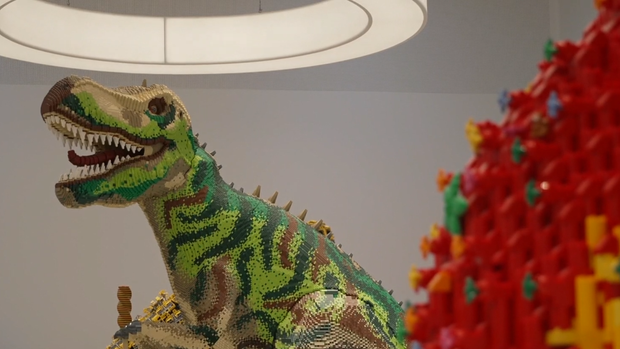
This simple tactile connection, brick by brick, has helped LEGO become the most profitable toy company in the world. Families are built together. Friends gather around shared creations. Communities are formed, united by the sound of bricks clicking in a box.
“Everyone knows that sound,” Doxey told CBS News. “You shake it and find out exactly what it is.”
Favorite toy with a plastic problem
However, beyond creativity and nostalgia, the LEGO Group is also trying to solve a fundamental problem in a world facing what most scientists agree is climate crisis: The company's empire is still built almost entirely on plasticand one of the key components of most plastics is fossil fuels.
According to the Global Sustainability Information and Data Platform, for every ton of LEGO produced, the manufacturing process requires about two tons of petrochemicals. light. LEGO produces about 60 billion bricks a year, and some of the company's largest sets would require more than 60 pounds of petrochemical equivalent to produce, according to Illuminem.
Despite ambitious climate protection promises, the company has yet to find a sustainable path for its toys.
LEGO abandoned its bottles-to-bricks initiative in 2023 after discovering that the proposed recyclable material it had hoped to use would actually increase emissions over its current materials.
“LEGO bricks are designed for children, so they must meet extremely high quality and safety standards,” the company told CBS News. “They also need to be durable and engineered to within a hair's breadth of precision so that a brick made today will still fit a brick made 60 years ago.”
CBS Saturday morning 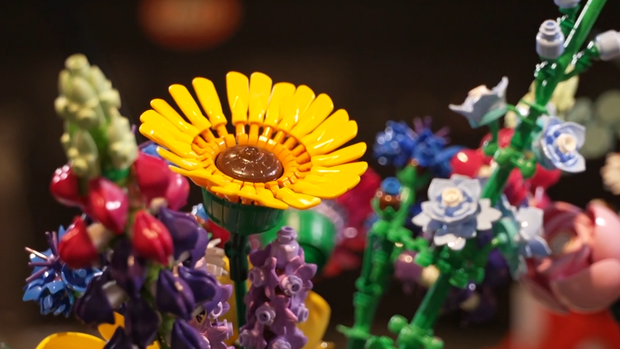
The company said it tested more than 600 different materials for its LEGO bricks, including some made from “sustainably sourced sugar cane” and recycled faux marble kitchen countertops.
“Other materials showed potential but did not meet our strict quality, safety and durability requirements or would not help reduce carbon emissions,” it said in a statement, adding that the company is on track to have “60% of the materials we buy from sustainable sources” by the end of the year.
Even after all these years, LEGO continues to evolve.



