
This article contains descriptions of sexual assault and violence that may be disturbing to some readers.
Two Palestinians told the BBC they had personally experienced the beatings and sexual violence described in recent reports of the treatment of prisoners in Israeli custody.
The UN Committee against Torture said last month it was deeply concerned by reports indicating a “de facto state policy of organized and widespread torture and ill-treatment” of Palestinian prisoners in Israeli prisons. It said the allegations “seriously intensified” following the Hamas attacks on Israel on October 7, 2023.
Other reports by Israeli and Palestinian human rights groups detail what they say are “systematic” violations.
Israel has denied all charges, but rights groups say anger in the country over the Oct. 7 attacks and the treatment of Israeli hostages in the Gaza Strip has created a culture of impunity within the prison service, especially towards prisoners who have expressed support for Hamas and its attacks.
Last year, leaked CCTV footage from an Israeli military prison showed a Palestinian man from Gaza allegedly being sexually assaulted by prison guards. This led to resignations and mutual accusations at the top of the Israeli military and political establishment.
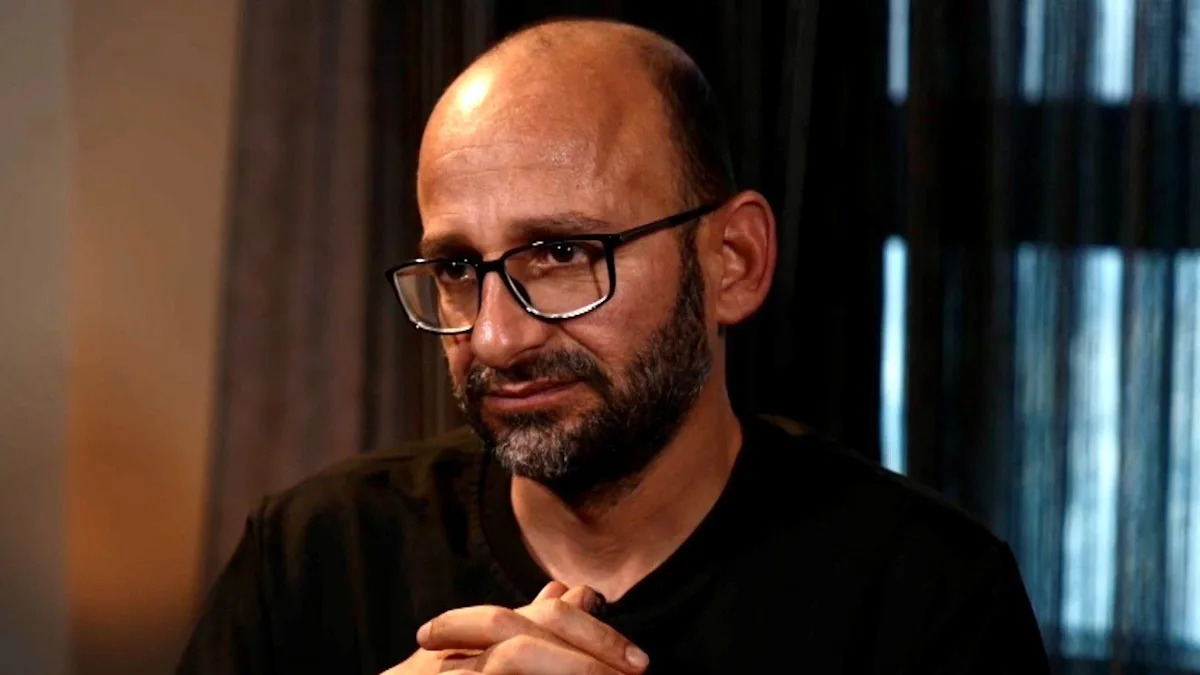
Sami al-Sai, 46, now works in a furniture store, but was previously a freelance journalist in the town of Tulkarm, in the northern occupied West Bank.
He was arrested by Israeli soldiers in January 2024 after working with journalists to arrange interviews with members of Hamas and other armed groups.
He was held without charge for 16 months under Israel's controversial system known as administrative detention before being released this summer.
While he was being held at Megiddo Prison in northern Israel, around March 13, 2024, guards partially stripped him and raped him with a baton, he said.
He said he decided to speak to the BBC about his sexual assault allegations despite the risk of being ostracized in the often conservative Palestinian society in the West Bank.
“There were five or six of them,” he said.
“They laughed and enjoyed it. The security guard asked me, “Do you like it? We want to play with you and bring your wife, your sister, your mother and friends here,” Mr. al-Sai continued.
“I was hoping to die and be done with it because the pain was caused not only by the rape, but also by the brutal and painful beating.”
He said the attack lasted between 15 and 20 minutes, during which the guards also squeezed his genitals, causing severe pain.
He said the beatings happened almost daily, but he was only sexually assaulted once.
The BBC has asked the Israel Prison Service (IPS) for a response to Mr al-Sai's allegations. He sent a statement saying: “We act in full compliance with the law while ensuring the safety, welfare and rights of all prisoners under its care.
“We are not aware of the claims described and, to our knowledge, no similar incidents have occurred under the responsibility of IPS.”
We also asked IPS if an investigation into the alleged sexual assault had been opened and if any medical records existed. It did not comment.
Former military prosecutor general Yifat Tomer-Yerushalmi resigned after admitting her role in the leaking of videos of alleged abuse by Israeli soldiers. [IDF handout]
Allegations of mistreatment of Palestinians in Israeli prisons have been made for decades, but one recent case has shaken the country's establishment and deepened a growing rift in Israeli society over the treatment of prisoners and detainees accused of supporting Hamas.
In August 2024, leaked CCTV footage from the Sde Teiman military prison in southern Israel showed that Gaza soldiers allegedly abused a Palestinian detainee with a sharp object, resulting in the man's rectum being punctured. The attack is believed to have occurred in July 2024.
Five Israeli reservist soldiers were charged with aggravated ill-treatment and causing grievous bodily harm to a detainee.
Last month they called a news conference on Israeli television, with four of them appearing in black balaclavas to conceal their identities.
In an interview with Channel 14, a fifth soldier removed his mask to reveal his face, saying he had nothing to hide.
All five denied the charges.
The reservists held a press conference after it emerged that the CCTV footage had been released by the Israeli military's top lawyer, Military Prosecutor General Major General Yifat Tomer-Yerushalmi.
She resigned in October, saying she took full responsibility for the leak. She explained that she wanted to “counter false propaganda directed at military law enforcement” – referring to claims by some right-wing politicians that the charges were fabricated.
Far-right supporters staged protests in support of the five accused reservists outside Sde Teiman prison.
In July, before her resignation, Hanoch Milwidsky, a politician from Israeli Prime Minister Benjamin Netanyahu's right-wing Likud party, was asked at a contentious hearing before an Israeli parliamentary committee whether it was acceptable to rape a detainee.
“Shut up, shut up,” he shouted. “Yes, everything is legal if they are Nukhba. [elite Hamas fighters who took part in the 7 October attacks]. All.”
A recent public opinion poll by the widely respected Israel Democracy Institute found that a majority of the Israeli public opposes investigating soldiers when they are suspected of abusing Palestinians from the Gaza Strip.

'Ahmed' claims he was abused in Israeli prison after being convicted of inciting terrorism [BBC]
Ahmed (not his real name) lives in the West Bank with his wife and 11 children.
He was arrested by soldiers in January 2024 and found guilty of inciting terrorism after posting on social media praising the Hamas-led terrorist attacks on October 7 that killed about 1,200 people, mostly Israelis, and took another 251 hostage.
He was sentenced to one year in prison and a fine of 3,000 shekels ($935, £700).
He alleges serious sexual abuse while in Israeli custody.
“The prison guards, three of them, took me to the bathroom and stripped me completely naked and then threw me to the ground,” Ahmed said in an interview at his home.
“They lowered my head into the toilet and a massive man, about 150kg (330lb), stood on my head so I was bent over. Then I heard the voice of someone talking to the prison dog. The dog’s name was Messi, just like the football player.”
He then detailed how he said the dog was used to sexually humiliate him. He said his pants and underwear were removed and the dog climbed on his back.
“I felt its breath… then it jumped on me… I started screaming. The more I screamed, the harder they beat me until I almost lost consciousness.”
While in custody, Ahmed also said that guards regularly beat him, including in the genitals.
He said he was released 12 days after the alleged sexual assault, having served his full sentence.
We asked Ahmed if there were any medical documents to back up his claims, but he said he didn't have any.
We contacted IPS to seek a response to Ahmed's allegations and whether an investigation had been launched into his alleged abuse, but we have not received a response.
Israeli prisons hold more than 9,000 Palestinian security detainees, almost double the number before the Oct. 7 attacks. Many were never charged.
A recent report by the UN Committee against Torture unequivocally condemned the October 7 attacks and expressed deep concern about Israel's response and the enormous loss of life in the Gaza Strip.
Some of the hostages kidnapped on October 7 and survivors of the attacks also alleged sexual abuse, rape and torture at the hands of Hamas and its allies.
Hamas has also publicly executed Palestinians in the Gaza Strip accused of collaborating with Israel.
There are also reports of abuses in prisons run by the Palestinian Authority (PA), which administers parts of the West Bank not under Israeli control and is a political and military rival of Hamas.
The BBC spoke to a former detainee who said Pennsylvania security officers beat him and used electric shocks on him.
The BBC contacted the PA for comment but received no response. He previously denied allegations of systematic abuse.

Archival photo of Megiddo prison, where Sami al-Sai said he was detained [Getty Images]
In a report presented in October to the UN Committee against Torture, five Israeli human rights groups said there had been a “dramatic escalation of torture and cruel, inhuman and degrading treatment in all detention facilities, carried out with virtual impunity and implemented as state policy directed against Palestinians.”
Adalah, the Public Committee Against Torture in Israel, Parents Against Child Detention, Hamoked and Physicians for Human Rights – Israel presented evidence that they said showed that Israel had “dismantled existing safeguards and now uses torture throughout the detention process – from arrest to imprisonment – against Palestinians under occupation and Palestinian citizens, with senior officials sanctioning these abuses while how judicial and administrative mechanisms do not intervene.”
The report says the practice has led to a sharp increase in the number of Palestinian deaths in custody, with at least 94 deaths reported in Israeli custody from the start of the Gaza War to the end of August 2025.
Israel's ambassador to the UN in Geneva has dismissed the allegations made at the UN Committee against Torture as “disinformation”.
Daniel Meron told the panel last month that Israel is “committed to fulfilling its obligations in accordance with our moral values and principles, even in the face of the challenges posed by a terrorist organization.”
He said that the relevant Israeli authorities fully respect the prohibition of torture and that Israel rejects allegations of systematic use of sexual and gender-based violence.



