

Scissor lifts are versatile aerial work platforms that lift personnel and equipment to significant heights, typically 10 to 50 feet. They feature a criss-crossing support mechanism, reminiscent of scissor blades, that allows the platform to rise vertically.
This functionality makes them ideal for a variety of tasks including maintenance, construction, painting and warehousing. Unlike boom lifts, which can extend outward and upward, scissor lifts provide a straight vertical lift, making them especially useful in tight spaces where horizontal reach is not as important.
They are powered by electrical or hydraulic systems, offering options suitable for both outdoor and indoor environments.
Cost-effectiveness and purchasing ─ detailed comparison
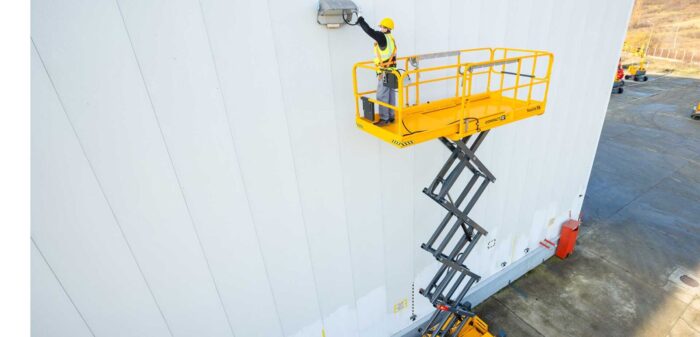
When considering whether to rent or purchase a scissor lift, financial implications play a significant role.
Renting allows businesses to gain access to the latest equipment without the huge upfront costs associated with purchasing it. This is especially beneficial for companies with sporadic lifting equipment needs, such as contractors who may only need a scissor lift for a specific job.
Renting eliminates the cost burden of maintenance, storage space and potential depreciation purchased equipment. In addition, rental companies often provide the latest models with advanced safety technology, reliability and efficiency, ensuring renters have access to top-tier equipment without making a long-term financial commitment.
Environmental Considerations ─ Green Choices
IN today's environmentally friendly climateEnvironmental considerations have become an integral part of every construction project. Scissor lift rentals are an environmentally friendly option as they are often equipped with electric models that produce zero emissions, significantly reducing the project's carbon footprint.
In addition, leasing allows companies to avoid the losses associated with purchasing underused equipment that may end up sitting idle or scrapped. Many rental companies are now optimizing their fleet to include energy efficient models, further supporting sustainable building practices.
By choosing scissor lift rentals, businesses are actively contributing to the global movement toward environmental sustainability while benefiting from new, more energy-efficient technologies.
Choosing the Right Scissor Lift – What You Need to Know

Expanding Capabilities – Description of Scissor Lift Types
Understanding the different types of scissor lifts available is critical to making an informed rental decision. In general, scissor lifts can be divided into three main types: electric, diesel and all-terrain.
Electric scissor lifts are widely used indoors due to their compact design and quiet operation, making them ideal for confined spaces such as warehouses or retail stores.
Characterized by their rugged design and large lifting capacity, diesel scissor lifts are better suited for outdoor jobs where rough terrain can be a concern.
Finally, rough terrain scissor lifts are specially designed with large wheels and powerful motors, allowing them to navigate difficult terrain while remaining stable and safe. Each type has its own unique advantages, tailored to the specific application, and it is important that the type of lift matches the requirements of the job.
Load Capacity and Reach – Find the Perfect Fit
Each scissor lift has a specific lifting capacity and maximum working height, which determines its ease of use in your projects. Understanding these specifications is vital as overloading can compromise the safety of operators and the integrity of the elevator. Typical carrying capacity ranges from 500 to over 2,500 pounds, and thoughtfully evaluating the tools and personnel you plan to carry can greatly influence your choice.
In addition, the required reach or working height should be carefully considered: if your project involves working close to the ceiling of a warehouse, a small lift with sufficient height may be ideal.
However, if you work with external facades or high-rise structures, you will need to select a model with higher height capabilities. Ultimately, an upfront comprehensive weight and height assessment can ensure optimal functionality and safety on site.
Safety Features ─ What to Prioritize for Your Crew
The importance of safety in a construction environment cannot be overstated, and certain safety features should be prioritized when choosing a scissor lift. Key features include guards, emergency stop buttons and tilt sensors that prevent the lift from operating on uneven ground. Many modern scissor lifts feature automatic leveling systems to ensure stability on uneven surfaces.
In addition, advanced models often feature integrated personnel addressing systems that improve communication between operators and ground crews. It is also important to review the safety training requirements provided by rental companies to ensure that all operators are thoroughly trained in the features, limitations and safety protocols of the specific model.
Investing time in this aspect will not only protect your staff, but can also significantly reduce liability and potential downtime on projects.
Maximizing Performance ─ Tips to Optimize Your Rental Experience
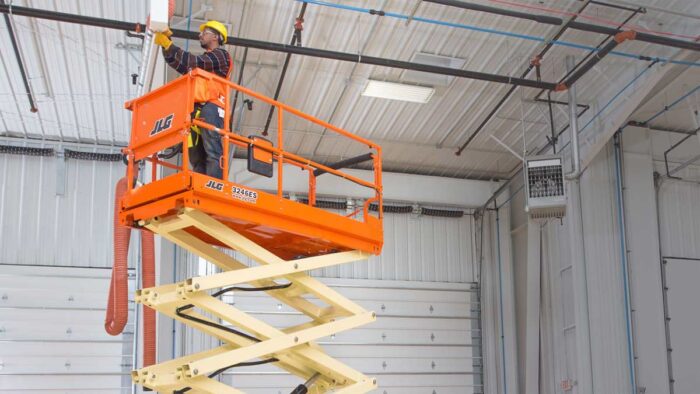
Preparing to Lease: Assessing Your Project's Needs
An important step in ensuring a successful rental experience is thorough pre-rental preparation. Before entering into lease agreements, it is critical to fully evaluate the needs of your project. This includes not only a numerical analysis of your expected lifting needs, but also taking into account the length of the rental, lifting conditions and specific job requirements.
Creating a checklist of criteria will help you communicate more effectively with rental companies and get personalized recommendations. Besides, viewing previous project datasuch as elevator utilization rates, may influence future rental choices. This upfront investment in planning not only streamlines the leasing process, but ultimately results in increased productivity on site.
Features of a specific object – solving problems like a professional
Every job site presents unique challenges that can affect the performance of your scissor lift. During the planning stage, factors such as terrain, overhead obstacles and environmental conditions should be taken into account.
For example, outdoor projects may face weather-related obstacles that require robust emergency protocols, and a contingency plan that includes proper stabilization techniques is critical.
Moreover, open communication with other teams working on site can improve coordination and ensure everyone is aware of elevator movements. Conducting a site assessment before starting a lift to identify potential hazards such as power lines and structural obstructions will lay the foundation for safety and preparedness, allowing your crew to focus on maximizing their productivity without unnecessary interruptions.
Operator Training ─ Ensuring Safety and Efficiency
Proper operator training cannot be ignored when it comes to maximizing operational efficiency. scissor lift rental. Comprehensive training that includes both safety protocols and best operating practices ensures your team is well prepared to take full advantage of the equipment's capabilities.
Many rental companies offer training sessions as part of your rental agreement, covering important topics such as pre-occupancy inspections, hazard identification and emergency procedures. Encouraging ongoing training and certified training sessions can also reduce accidents and inefficiencies while promoting a culture of safety within your organization.
When operators are confident in their ability to operate heavy equipment safely, it leads to increased productivity and a more positive work environment.
Scissor Lift Trends ─ Innovations Shaping the Future of Construction
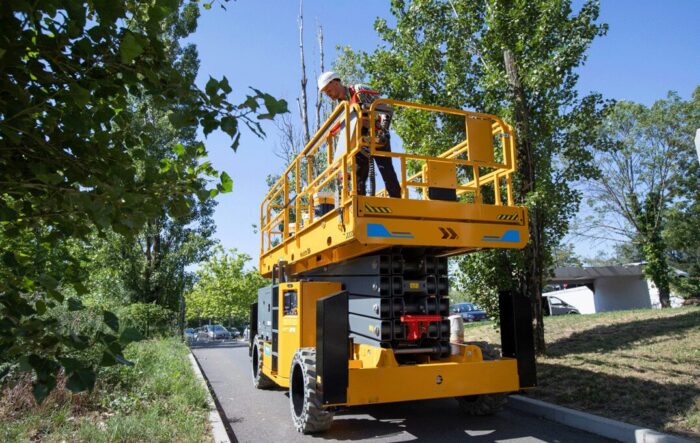
Technological advances ─ smart elevators and automation
The future of scissor lifts is increasingly driven by technological advances that improve efficiency, safety and user friendliness.
New trends include smart scissor lifts equipped with IoT technology that allows real-time monitoring of performance, usage statistics and maintenance needs. This data-driven approach enables proactive maintenance, reducing downtime.
Additionally, scissor lift automation is gaining momentum with features such as automatic leveling, advanced terrain mapping, and remote control capabilities. These innovations will not only improve operational safety, but will also minimize human error, allowing operators to focus on their work rather than on operating equipment.
As these technologies become more widespread, the potential for improved efficiency and safety across various construction sectors is becoming an exciting reality.
Industry Overview ─ The Future of Aircraft Work Platforms
The aerial platform market, especially scissor lifts, is projected to continue to grow due to the rapid development of the construction and renovation sectors. Industry experts predict that integration of digital solutions will create more efficient workflows and reduce costs through simplified maintenance and improved equipment management.
Moreover, the growing demand for rental services is driven by a growing preference for flexible equipment layouts to meet changing workplace requirements. This shift speaks to a broader trend in the industry that favors rentals over ownership, giving rental companies more opportunities to invest in new, cutting-edge technologies that keep them competitive in a rapidly evolving market.
Understanding these ideas can help businesses remain adaptable while benefiting from the ongoing evolution of the construction industry.
Sustainability Innovation ─ Green Equipment Trends
As the construction industry moves toward more sustainable practices, scissor lift manufacturers are responding by releasing environmentally friendly equipment that meets this demand. Innovations such as hybrid elevators, which combine traditional fuel sources with electric power, significantly reduce emissions and fuel consumption without compromising productivity.
Additionally, advances in battery technology allow electric scissor lifts to last longer on a single charge, increasing their practicality on a variety of job sites. These green innovations are not only good for the environment, but can also provide cost savings for businesses committed to sustainability.
As a result, the future scissor lift landscape will closely align with environmentally responsible principles, ensuring that businesses can deliver their projects efficiently while remaining committed to reducing their impact on the planet.



